
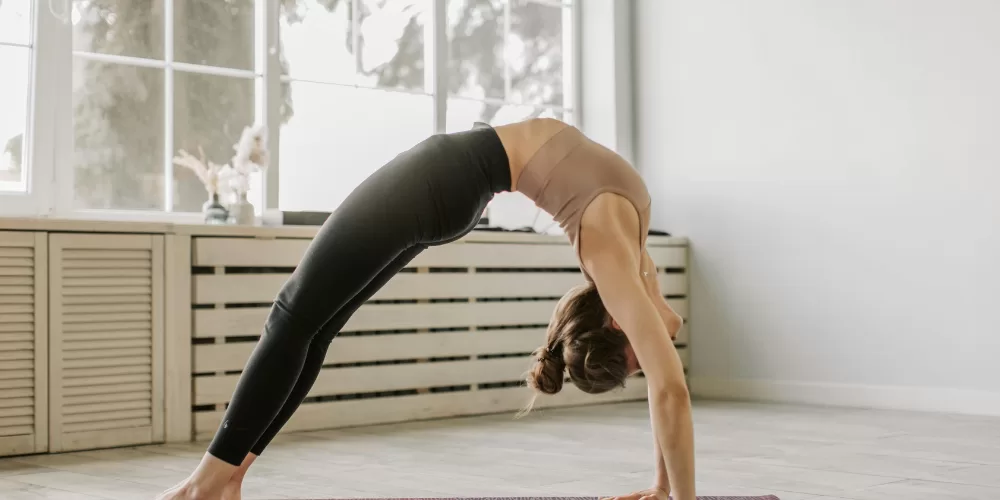
The 5 Powerful Must-Do Stretches for Tight Hamstrings : Hamstring Tension: The Root Cause of Low Back Pain
The hamstrings are a group of three muscles running down the back of your thigh. When they are chronically tight—often from prolonged sitting or intense exercise (like running)—they pull the pelvis downward, flattening the natural curve of the lower back. This constant mechanical stress is a leading contributor to chronic low back pain.
Integrating 5 Essential Must-Do Stretches for Tight Hamstrings into your daily routine is the most powerful non-invasive way to correct pelvic alignment and achieve lasting back relief.
The Science of Stretching: When to Hold, When to Move
- Static Stretching: Holding a stretch for 30-60 seconds. Best done after a workout or before bed when muscles are warm. This is the focus of these Must-Do Stretches for Tight Hamstrings.
- Dynamic Stretching: Moving the joint through a range of motion (e.g., leg swings). Best done before exercise.
5 Essential Must-Do Stretches for Tight Hamstrings
Perform each of these 5 Essential Must-Do Stretches for Tight Hamstrings for 30 seconds per leg, focusing on deep, slow breathing.
- Supine Hamstring Stretch (Reclined): Lie on your back, loop a strap (or towel) around your foot, and gently pull the straight leg toward your chest. This is the safest hamstring stretch as the back is supported.
- Seated Forward Fold (Paschimottanasana): Sit with legs straight, folding forward from the hips (not the back). Focus on lengthening the spine.
- Standing Toe Touch (Modified): Stand, bend one knee slightly, and keep the other leg straight. Fold over the straight leg. This isolates the stretch.
- Down Dog (Adho Mukha Svanasana) with Knee Bend: Start in Down Dog, then deeply bend one knee while pressing the heel of the opposite, straight leg toward the floor. Alternate sides. This is an essential yoga pose for the hamstrings.
- Standing Single Leg Deadlift Stretch: Balance on one leg, hinge at the hips, keeping your back flat, allowing the hands to reach the floor. You will feel the stretch deep in the hamstrings of the standing leg.
Integration: Stretching with Core Stability
To ensure the relief from Must-Do Stretches for Tight Hamstrings lasts, you must strengthen the opposing muscles: the glutes and the core. Always pair your hamstring stretching with core exercises .This stabilizes the newly aligned pelvis.
External Credibility: Physical therapy guidelines routinely recommend targeted, static hamstring stretching (holding for 30 seconds or more) as a powerful strategy for patients experiencing non-specific low back pain linked to pelvic tilting.
Safety First: Avoiding Common Stretching Mistakes
Mistake: Bouncing (ballistic stretching). Safety: Never bounce; static stretching requires stillness to signal the nervous system to relax the muscle.
Mistake: Rounding the back. Safety: In all seated or standing stretches, hinge from the hips, keeping the spine long. Rounding the back stresses the lumbar discs. Pushing through sharp pain. Safety: Stretching should feel like a deep, comfortable pull, not a searing pain. Ease off immediately if you feel sharp discomfort, as this indicates a potential tear or strain. Always prioritize proper form and listen to your body’s signals to ensure a safe and effective stretch session.
Conclusion: Unlock Your Flexibility
Don’t let tight hamstrings dictate your posture or cause chronic pain. By consistently dedicating 10 minutes to these 5 Essential Must-Do Stretches for Tight Hamstrings, you not only gain flexibility but also achieve proper pelvic alignment, eliminating the root cause of your low back discomfort. Commit to this powerful routine for a pain-free life.This simple, daily investment in your body’s flexibility acts as a natural analgesic and a preventative measure against injury. You’ll feel the difference in your movement, standing taller, and enjoying improved circulation. Deep, flexible hamstrings are fundamental to long-term spinal health.
Leave feedback about this