


Why the South Indian Diet Plan for Weight Loss can be Your Secret Weapon?
The search for an effective, sustainable, and culturally appropriate diet plan often feels endless. Many crash diets fail because they ignore our native flavors and eating habits. But what if the secret to your health goals lay right in the heart of traditional Indian cuisine?
The truth is that authentic South Indian cuisine is a powerhouse of nutrition perfectly suited for slimming down. Often associated with delicious but oily Vadas and fried snacks, the core staples—like Sambar, Rasam, and fermented rice/lentil preparations—are inherently low-fat, high-fibre, and probiotic-rich. These qualities make it an ideal foundation for a healthy metabolism.
The Ultimate 7-Day South Indian Diet Plan for Weight Loss is here to guide you. This isn’t about giving up the food you love; it’s about making smarter choices, controlling portions, and leveraging the natural advantages of South Indian staples to achieve quick, sustainable fat loss. By the end of this guide, you will have a clear, step-by-step plan using the comforting, familiar tastes of the South.
1. Foundational Principles of the South Indian Diet Plan for Weight Loss
Successfully using the South Indian diet plan for weight loss requires understanding three core principles:
1.1. The Power of Fermentation and Probiotics
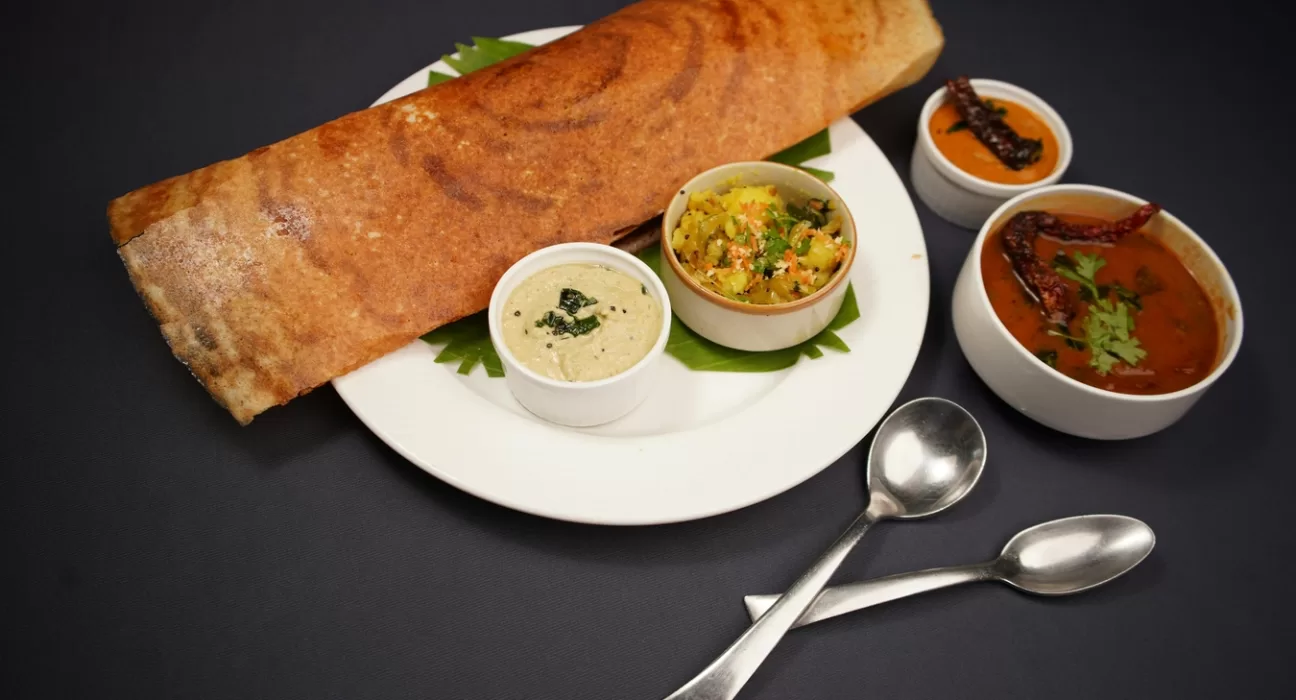
Traditional South Indian staples like Idli, Dosa, and Appam are made from fermented batters (rice and lentils). Fermentation pre-digests nutrients, making them easier for your body to absorb. More importantly, it introduces beneficial bacteria (probiotics) to your gut.
- Actionable Tip: Maximize this benefit by choosing steamed Idli or thin, low-oil Dosas. A healthy gut biome is crucial for weight management, helping to regulate appetite hormones and reduce inflammation.
1.2. The Sambar and Rasam Advantage
Forget complicated protein shakes. Sambar (lentil and vegetable stew) and Rasam (spiced tamarind broth) are the heroes of a low-calorie, high-satiety diet.
- Sambar: Provides complete protein from lentils (moong, tuar, or masoor dal) and a high volume of fibre from vegetables, keeping you full longer.
- Rasam: A light, digestive, broth-based soup often enhanced with black pepper, garlic, and ginger—spices known to boost Agni (digestive fire), as we discussed in our Ayurvedic rituals guide
1.3. Portion Control and Carb Swapping (H3)
While rice is a staple, large portions derail any South Indian diet plan for weight loss. The key is swapping quantity and type.
- Minimize White Rice: Gradually replace traditional white rice with nutrient-dense alternatives like Brown Rice, Millets (Ragi, Bajra, Jowar), or Quinoa.
- Plate Ratio: Aim for a plate where 50% is non-starchy vegetables (like cabbage Poriyal or salad), 25% is Sambar/Protein, and only 25% is the carbohydrate source (rice/roti).

2. The 7-Day South Indian Diet Plan for Weight Loss: Sample Meal Chart
This plan focuses on low-oil cooking methods (steaming, roasting, pressure cooking) and maximizing protein and fibre intake.
| Meal | Day 1-2 (Detox/Prep) | Day 3-5 (Steady Loss) | Day 6-7 (High Protein Focus) |
| Pre-Breakfast | 1 Glass Warm Water with Fenugreek seeds (soaked overnight) | 1 Glass warm water with Lemon/Ginger | 1 Glass warm water with Apple Cider Vinegar |
| Breakfast | 2 Moong Dal Chillas (made with 1 tsp oil) + Mint Chutney | 2 medium Steamed Idlis + 1 large bowl of Sambar | Small bowl of Ragi Porridge (cooked with water/low-fat milk) + 5 Almonds |
| Mid-Morning | 1 Medium Apple or Pear | 1 cup Chaas (Buttermilk) or plain black coffee | Mixed Sprouts Salad with cucumber and tomato |
| Lunch | Large bowl of Vegetable Sambar + 1 cup Brown Rice + Cabbage/Carrot Poriyal | 2 Multigrain Rotis + 1 cup low-oil Mixed Vegetable Curry + Cucumber Salad | 1 cup low-fat Curd Rice + 1 cup of Vegetable Rasam |
| Evening Snack | 1 cup Green Tea + handful of Roasted Chana (chickpeas) | 1 cup of Herbal Tea + 1 slice of whole-wheat toast with peanut butter | Low-fat Poha or Roasted Makhanas (fox nuts) |
| Dinner | 1 cup Vegetable Soup + 1 Ragi Dosa (no oil) + minimal Chutney | Small bowl of Bisi Bele Bath (made with brown rice/quinoa) | 1 cup light Rasam + 1 cup stir-fried greens (Palak/Methi) |
| Post-Dinner | 1 cup hot water | 1 cup herbal tea (chamomile) | 1 cup hot water |
3. Troubleshooting and Advanced Tips for Quick Fat Loss
To ensure this South Indian diet plan for weight loss delivers maximum results, follow these practical adjustments:
- Oil Reduction is Non-Negotiable: Use a non-stick pan and measure oil precisely (limit to 1-2 tsp per person per meal). Sautéing with a splash of water instead of oil is a great trick. For authentic flavours without the fat, use a light Tadka (tempering) with coconut oil or ghee right at the end of cooking, rather than at the start.
- Hydration: Drink 2.5 to 3 liters of water daily. Often, thirst is mistaken for hunger, leading to unnecessary snacking.
- The Weekend Trap: Many diets fail on the weekend. Plan your “cheat” meal carefully: choose a homemade, controlled portion of a favourite (like a single Vada or Mysore Bonda) instead of an entire day of bingeing.
- Addressing Cravings: Cravings for sweets are often linked to a lack of complete nutrition. Ensure your lunch contains protein (dal/paneer/curd) and healthy fats (nuts/seeds) to stabilize blood sugar. For sweet cravings, opt for a small piece of dark chocolate or fresh fruit.
4. Supplementing Your Diet: Exercise and Sleep
No South Indian diet plan for weight loss is complete without addressing the other pillars of health.
- Move Your Body: Aim for 30-45 minutes of movement daily. This doesn’t need to be intense. Our low-impact, apartment-friendly cardio routines ([Internal Link:
20-min-no-jump-cardio-workout]) are perfect for busy schedules. Focus on functional movements like walking, yoga, and climbing stairs to boost metabolism. - Prioritize Sleep: Poor sleep raises cortisol levels, which increases fat storage, especially around the abdomen. Aim for 7-9 hours of quality sleep. Establish a bedtime ritual, perhaps incorporating some of the vagus nerve techniques we discussed earlier ([Internal Link:
vagus-nerve-exercises-for-anxiety]). - External Resources: For more evidence-based nutritional science that supports this diet’s structure, refer to research on vegetarian protein sources and gut health in public databases ([External DoFollow Link: Placeholder for a link to a resource like the NIH or a reputable nutritional journal focused on vegetarian diets]).
Conclusion
The South Indian diet plan for weight loss proves that losing weight doesn’t mean sacrificing flavour or tradition. By prioritizing the naturally high-fibre content of the vegetables, the protein from pulses, and the power of fermentation, you are giving your body the best tools for sustainable change. Embrace the Sambar, reduce the oil, and watch your health goals finally become a reality.
Call to Action
Ready to achieve your target weight while enjoying delicious, authentic food? Start this 7-Day South Indian diet plan for weight loss tomorrow! Share your favourite healthy meal swap from the chart in the comments below!