
Indian Diet for Healthy Heart – Best Foods, Meal Plan & Tips for Heart Health
Heart disease is one of the leading causes of death in India — affecting both young and old alike. The good news? Most heart problems can be prevented or managed by making simple yet powerful lifestyle changes, especially in your diet.
The Indian diet, rich in vegetables, whole grains, pulses, and spices, has all the potential to keep your heart strong and healthy — if followed the right way. However, with the growing popularity of processed foods, sugary snacks, and oily street foods, many of us have drifted away from traditional eating patterns that once protected our hearts.
In this blog, let’s explore how you can adapt the Indian diet for a healthy heart, learn about the best and worst foods for heart health, and create a daily meal plan that supports your cardiovascular system.
Understanding Heart Health and Diet Connection
The heart is an amazing organ — beating more than 100,000 times a day to pump oxygen and nutrients throughout the body. But when you eat foods high in saturated fats, trans fats, sugar, or sodium, they can cause plaque buildup in arteries, raise cholesterol, and lead to high blood pressure — all of which increase your risk of heart attack and stroke.
On the other hand, a balanced diet rich in fiber, antioxidants, omega-3 fats, and vitamins helps lower bad cholesterol (LDL), raise good cholesterol (HDL), and improve overall heart function.
The Indian Advantage: Traditional Foods That Protect the Heart
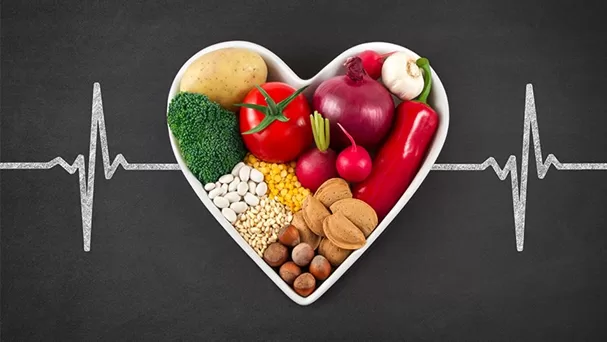
The traditional Indian diet, when cooked in the right way, is naturally heart-friendly. It’s based on plant-based foods, whole grains, and healthy fats — key elements of a cardio-protective diet.
Here are a few Indian staples that play a powerful role in maintaining heart health:
🥦 1. Whole Grains
Switching from refined grains (like white rice and maida) to whole grains (such as brown rice, millets, oats, and whole wheat) can lower cholesterol and improve heart function.
Examples:
- Brown rice
- Bajra (pearl millet)
- Jowar (sorghum)
- Ragi (finger millet)
- Whole wheat chapati
These grains are rich in fiber and complex carbohydrates, which help regulate blood sugar and reduce fat storage.
🥬 2. Vegetables and Fruits
Fruits and vegetables are packed with antioxidants, vitamins, and minerals that prevent cell damage and reduce inflammation.
Aim to fill half your plate with veggies — especially leafy greens, carrots, beets, tomatoes, and bell peppers.
Heart-friendly fruits: apples, papayas, oranges, pomegranates, guavas, and berries.
🫘 3. Pulses and Legumes
Lentils, chickpeas, kidney beans, and black grams are an excellent source of plant-based protein and soluble fiber, which lower bad cholesterol.
Examples:
- Moong dal
- Masoor dal
- Rajma
- Chole
- Lobia
🥥 4. Healthy Fats
Healthy fats are essential for heart function. Opt for cold-pressed oils and omega-3-rich foods instead of hydrogenated oils.
Best options:
- Mustard oil
- Groundnut oil
- Olive oil
- Flaxseeds
- Walnuts
- Fish (for non-vegetarians)
🌶️ 5. Indian Spices
Spices do more than add flavor — they protect your heart too!
Turmeric, garlic, ginger, cinnamon, and black pepper all have anti-inflammatory and cholesterol-lowering properties.
Foods to Avoid for a Healthy Heart
While Indian food can be very healthy, certain modern eating habits make it risky. Try to limit or avoid the following:
- Deep-fried snacks (samosa, pakora, bhatura)
- Refined sugar (desserts, sweets, cold drinks)
- White bread, maida, and refined rice
- Processed meats (sausages, salami)
- Hydrogenated oils (vanaspati ghee, margarine)
- High-sodium pickles and papads
- Full-fat dairy products (replace with toned milk or curd)
Best Indian Diet Plan for a Healthy Heart
Here’s an example of a one-day Indian meal plan that supports heart health. You can adapt it to your local taste and availability.
🌅 Early Morning (6–7 AM)
- 1 glass of lukewarm water with lemon or soaked methi (fenugreek) seeds
- 5–6 almonds or walnuts
🍵 Breakfast (8–9 AM)
- 1 bowl of oats porridge or vegetable upma made with minimal oil
- 1 glass of low-fat milk or green tea
- Add a portion of fresh fruit like papaya or apple
🥗 Mid-Morning Snack (11 AM)
- 1 small bowl of sprouted moong salad with lemon juice and chopped vegetables
🍛 Lunch (1–2 PM)
- 2 whole wheat chapatis or 1 small bowl of brown rice
- 1 cup dal (lentil soup) or rajma/chole (without cream)
- 1 cup of seasonal vegetables (sabzi) cooked in mustard oil
- 1 small bowl of curd
- 1 small portion of salad (cucumber, tomato, beetroot, carrot)
☕ Evening Snack (4–5 PM)
- 1 cup of green tea or herbal tea
- 1 handful of roasted chana or fox nuts (makhana)
🌇 Dinner (7–8 PM)
- 2 chapatis or 1 small bowl of millet khichdi
- 1 cup mixed vegetable curry
- 1 bowl of clear soup
🌙 Before Bed
- 1 glass of warm haldi milk (with low-fat milk and a pinch of turmeric)
Top Indian Superfoods for Heart Health
# Indian Diet for healty heart
1. Amla (Indian Gooseberry)
Rich in vitamin C, amla reduces cholesterol and oxidative stress in the arteries.
Consume fresh or as juice daily.
2. Flaxseeds (Alsi)
A rich source of omega-3 fatty acids and fiber, these help control triglycerides and blood pressure.
Use 1 tablespoon of ground flaxseed daily in smoothies or chapati dough.
3. Garlic
Garlic lowers LDL cholesterol and prevents blood clotting.
Consume 1–2 raw garlic cloves daily (if tolerated).
4. Turmeric
Curcumin in turmeric reduces inflammation and prevents artery blockage.
Use it in curries, dal, or golden milk.
5. Green Tea
Packed with antioxidants, it improves blood vessel health and reduces cholesterol.
6. Drumsticks (Moringa)
A natural detoxifier and rich in potassium — helps maintain blood pressure.
Tips to Make Indian Food Heart-Friendly | # Indian Diet for Healty Heart
- Use Less Oil:
Avoid deep frying. Try grilling, steaming, sautéing, or baking instead. - Switch to Healthy Oils:
Use mustard, groundnut, or rice bran oil — and limit total oil use to 2–3 teaspoons per day per person. - Cut Down Salt:
Too much sodium increases blood pressure. Avoid adding salt to salads or buttermilk. - Avoid Processed Foods:
Instant noodles, chips, and bakery items contain trans fats that harm the heart. - Go for Fresh and Homemade:
Home-cooked meals allow you to control ingredients and portion sizes. - Include Fiber in Every Meal:
Fiber helps remove excess cholesterol from the body. Add more fruits, veggies, and whole grains. - Stay Hydrated:
Drink at least 8–10 glasses of water daily to maintain blood viscosity and prevent clotting.
Lifestyle Changes Alongside a Healthy Diet # Indian Diet for healty heart
A healthy heart isn’t only about food — your lifestyle plays an equal role. Combine your Indian heart-healthy diet with these daily habits:
🧘♀️ 1. Exercise Regularly
Aim for at least 30 minutes of moderate exercise (like walking, cycling, or yoga) 5 days a week.
😌 2. Manage Stress
Chronic stress can raise blood pressure and cause inflammation.
Practice meditation, deep breathing, or pranayama daily.
🚭 3. Avoid Smoking and Limit Alcohol
Both increase your risk of heart attack and stroke. Even occasional smoking damages arteries.
💤 4. Get Enough Sleep
Lack of sleep affects blood sugar and hormone balance — leading to weight gain and heart strain. Aim for 7–8 hours per night.
⚖️ 5. Maintain Healthy Weight
Obesity increases cholesterol and blood pressure. Track your BMI and waist circumference.
Heart-Healthy Indian Recipes | Best Indian Diet for healty heart
🥣 1. Masoor Dal Soup
Ingredients:
Masoor dal, garlic, onion, tomato, turmeric, cumin seeds, and olive oil.
Method:
Boil lentils with spices, blend lightly, and drizzle olive oil. A perfect protein-rich dinner soup.
🥗 2. Moong Sprout Salad
Ingredients:
Boiled sprouts, cucumber, tomato, onion, lemon juice, salt, pepper, coriander leaves.
Benefits:
Packed with fiber, protein, and antioxidants.
🍛 3. Oats Vegetable Upma
Ingredients:
Oats, carrots, peas, beans, mustard seeds, and curry leaves.
Benefits:
Rich in soluble fiber, helps control cholesterol.
🍵 4. Green Smoothie
Ingredients:
Spinach, banana, flaxseeds, curd, and honey.
Benefits:
Antioxidant-rich, improves heart and liver health.
Common Mistakes Indians Make in Heart Diets | # Indian Diet for healthy heart
- Using too much oil while cooking vegetables.
- Skipping breakfast, leading to overeating later.
- Relying on packaged foods and ready-to-cook mixes.
- Overusing salt, ghee, or butter in curries.
- Drinking sugary tea or cold drinks multiple times a day.
A few small changes — like switching from butter to olive oil or replacing sugar with jaggery — can go a long way.
Conclusion – # Indian Diet for Healthy Heart
A heart-healthy Indian diet is not about strict restrictions — it’s about balance, smart food choices, and moderation. Our traditional meals already contain powerful ingredients like lentils, spices, and vegetables that can protect your heart naturally.
By reducing processed foods, using healthy oils, controlling portion sizes, and staying active, you can enjoy your favorite Indian dishes without guilt — and keep your heart strong for life.
So, next time you sit down for a meal, remember: every bite you take can either hurt or heal your heart. Choose wisely.
# Indian Diet For Healthy Heart # Indian Diet, # Healthy Heart # Deals Wala







Leave feedback about this