
Introduction: Why One Diet Doesn’t Fit All in the Ayurvedic Diet for Vata Pitta Kapha
In the world of nutrition, we are often told to follow universal rules: eat more raw vegetables, drink cold water, or skip fats. But Ayurveda, the world’s oldest system of natural medicine, teaches us that bio-individuality is everything. What is medicine for one person can be poison for another.
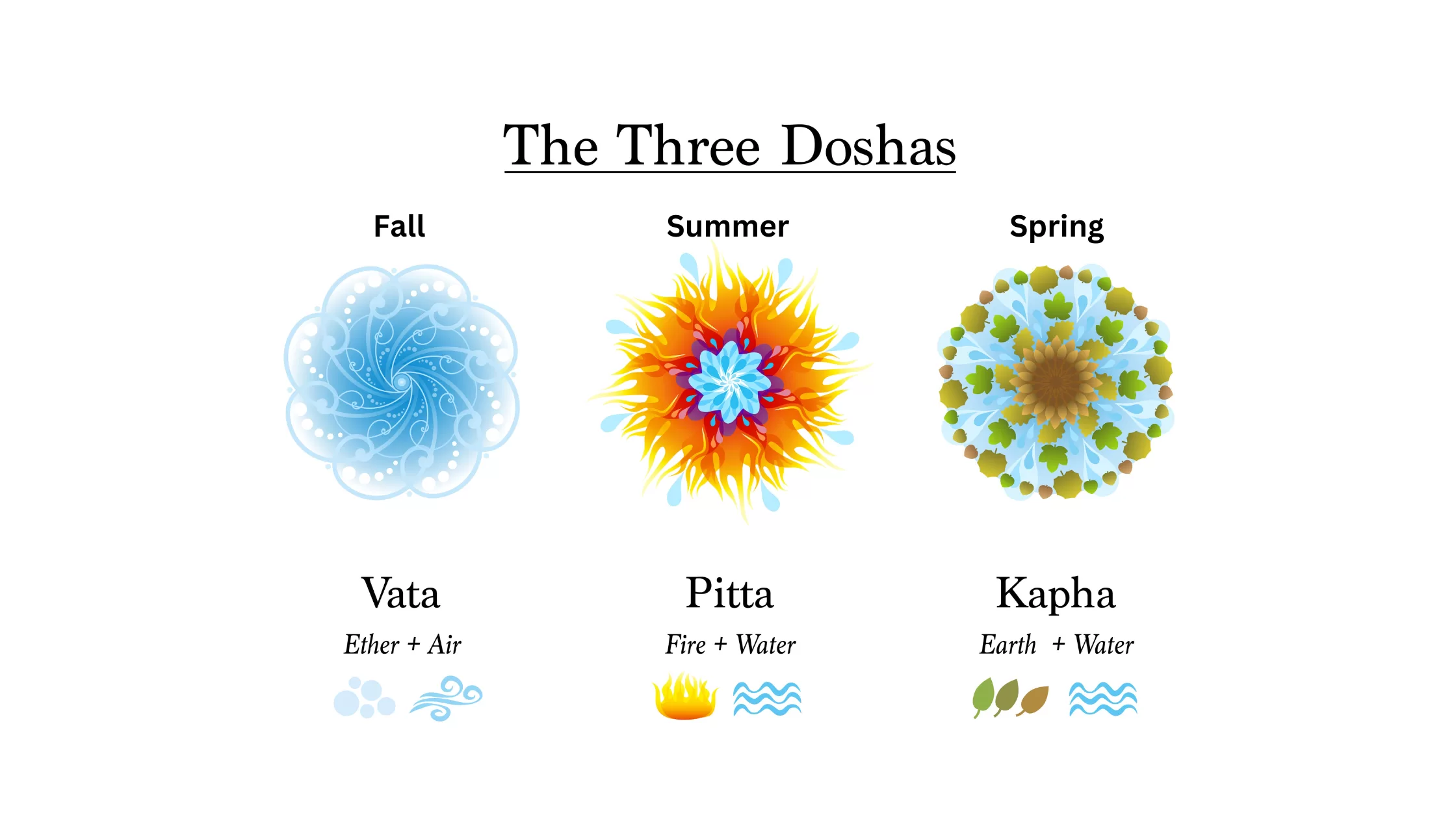
This principle is defined by the Doshas: Vata (air and ether), Pitta (fire and water), and Kapha (earth and water). These three energies govern all biological and psychological functions. When they are in their natural proportion (Prakriti), you thrive. When they are out of balance (Vikriti), you experience disease, stress, and discomfort.
The most potent and immediate tool for balancing your Doshas is food. Food carries qualities (gunas) that directly interact with your inherent Dosha qualities. By choosing foods with the opposite qualities of your imbalance (e.g., grounding food for airy Vata), you restore harmony.
This guide provides a comprehensive breakdown of the Ayurvedic Diet for Vata Pitta Kapha. We will detail the specific tastes, foods, and preparation methods that best support each energy, allowing you to use your kitchen as your first and most powerful pharmacy.
1. Understanding the Six Tastes (Rasas) and Their Effects
Before diving into specific foods, we must understand the six tastes (Rasas). Every food possesses these tastes, and each taste has a direct therapeutic effect on the Doshas.
| Taste (Rasa) | Elements | Doshas Increased | Doshas Decreased | Qualities |
| Sweet (Madhura) | Earth, Water | Kapha | Vata, Pitta | Heavy, moist, cooling, nourishing |
| Sour (Amla) | Earth, Fire | Pitta, Kapha | Vata | Heating, moist, light, sharp |
| Salty (Lavana) | Water, Fire | Pitta, Kapha | Vata | Heating, heavy, moist, grounding |
| Pungent (Katu) | Fire, Air | Pitta, Vata | Kapha | Heating, light, dry, stimulating |
| Bitter (Tikta) | Air, Ether | Vata | Pitta, Kapha | Cooling, light, dry, purifying |
| Astringent (Kashaya) | Earth, Air | Vata | Pitta, Kapha | Cooling, drying, heavy, binding |
Pitta Balancing Tastes: Sweet, Bitter, Astringent
Vata Balancing Tastes: Sweet, Sour, Salty
Kapha Balancing Tastes: Pungent, Bitter, Astringent
2. The Ayurvedic Diet for Vata Pitta Kapha: Balancing Vata (Air & Ether)
Vata is characterized by cold, dry, light, and irregular qualities. The goal is to introduce the opposite: warm, moist, heavy, and grounding qualities.
Vata Balancing Principles
Tastes to Favor: Sweet, Sour, Salty.
Ideal Qualities: Warm (temperature), heavy (density), moist (oily).
Meal Structure: Regular, routine meal times are crucial for Vata’s irregular nature. Never skip meals.
Best Foods for Vata
Grains: Cooked oats, basmati rice, quinoa, wheat (all cooked thoroughly).
Dairy/Fats: Warm milk, ghee, paneer, and all healthy oils (sesame and avocado are best).
Vegetables: Cooked, sweet, heavy root vegetables (sweet potatoes, carrots, beets). Avoid raw salads, large beans, and frozen veggies.
Fruits: Sweet, heavy, ripe fruits (bananas, mangoes, avocados). Avoid green apples and dried fruit (unless soaked).
Spices: Warming spices (ginger, cinnamon, cardamom, hing/asafoetida).
Worst Foods for Vata
Cold, raw, or frozen foods (ice cream, iced drinks, raw salads).
Dry foods (crackers, cold cereal, popcorn).
Foods that increase gas (cabbage, broccoli, large beans like kidney beans).
3. The Ayurvedic Diet for Vata Pitta Kapha: Balancing Pitta (Fire & Water)
Pitta is characterized by hot, sharp, intense, and oily qualities. The goal is to introduce the opposite: cool, mild, heavy, and dry qualities.
Pitta Balancing Principles
Tastes to Favor: Sweet, Bitter, Astringent.
Ideal Qualities: Cool (temperature), slightly dry, calming.
Meal Structure: Pitta has a strong appetite (strong Agni). Never skip meals, but avoid eating large meals during peak Pitta time (10 AM – 2 PM) to prevent intensity.
Best Foods for Pitta
Grains: Cooling, heavier grains (barley, white rice, oats).
Dairy/Fats: Cooling fats (ghee and coconut oil). Cottage cheese, sweet lassi. Avoid sour dairy like sour cream or hard cheeses.
Vegetables: Sweet and bitter vegetables (cabbage, cucumber, zucchini, green beans). Cooling raw salads are well tolerated.
Fruits: Sweet, non-acidic fruits (melons, grapes, sweet apples, pears). Avoid citrus fruits, green mangoes, and plums.
Spices: Cooling spices (fennel, coriander, cardamom, turmeric).
Worst Foods for Pitta
Excessively sour or salty foods (vinegar, fermented foods, pickles).
Pungent/heating foods (chili, cayenne pepper, garlic, ginger).
Red meat, excessive amounts of eggs, and alcohol (all highly heating).
4. The Ayurvedic Diet for Vata Pitta Kapha: Balancing Kapha (Earth & Water)
Kapha is characterized by cold, heavy, slow, and moist qualities. The goal is to introduce the opposite: warm, light, dry, and stimulating qualities.
Kapha Balancing Principles
Tastes to Favor: Pungent, Bitter, Astringent.
Ideal Qualities: Warm (temperature), light (density), dry (low oil/water).
Meal Structure: Kapha has the slowest Agni. Eat only two meals a day, with the biggest meal at lunchtime. Dinner must be very light and early. Intermittent fasting can benefit Kapha.
Best Foods for Kapha
Grains: Light, drying grains (millet, corn, buckwheat, rye). Avoid heavy wheat and excessive rice.
Dairy/Fats: Avoid most dairy and fats. Use minimal ghee or light oils (mustard oil).
Vegetables: Pungent and bitter vegetables (leafy greens, radishes, carrots, cruciferous vegetables). Raw vegetables are fine.
Fruits: Light, drying fruits (apples, pears, berries). Avoid sweet, juicy, heavy fruits like bananas or melons.
Spices: All stimulating, warming spices are excellent (ginger, garlic, cayenne, black pepper). Use Trikatu (ginger, black pepper, long pepper) to stimulate Agni.
Worst Foods for Kapha
Cold, moist, or heavy foods (ice cream, yogurt, sweet desserts, excessive dairy).
Sweet, sour, or salty tastes in excess (which increase water retention).
Heavy, sweet root vegetables like sweet potato.
5. Integration: Beyond the Plate
The Ayurvedic Diet for Vata Pitta Kapha extends beyond the food itself. Integrating these principles ensures success:
- Mindful Eating: Always sit down to eat, chew thoroughly, and focus on the food. This practice, detailed in our guide on Agni , is essential for all Doshas.
- Seasonal Eating (Rituacharya): Adjust your diet with the seasons. Pitta foods dominate summer; Kapha foods are reduced in spring..
- Preparation Method: Vata needs steaming/stewing. Pitta needs gentle cooking/raw. Kapha needs baking/roasting (dry heat).
Conclusion
The Ayurvedic Diet for Vata Pitta Kapha is your personal roadmap to lasting wellness. By understanding your unique nature and choosing foods that carry the opposing qualities of your imbalance, you move from fighting your body to harmonizing with it.
The Doshas are dynamic; they shift daily and seasonally. Listen to your body—it will tell you when you need the grounding of Vata foods, the cooling of Pitta foods, or the lightness of Kapha foods. Start small: identify your current imbalance (is it airiness, heat, or heaviness?) and commit to favoring the opposite tastes. This simple shift is the beginning of a profound transformation.
Call to Action
Which Dosha do you feel is currently most aggravated? Use the table above to choose one “Best Food” for your imbalance and add it to your plate tomorrow! Share your goal in the comments below!

Leave feedback about this