
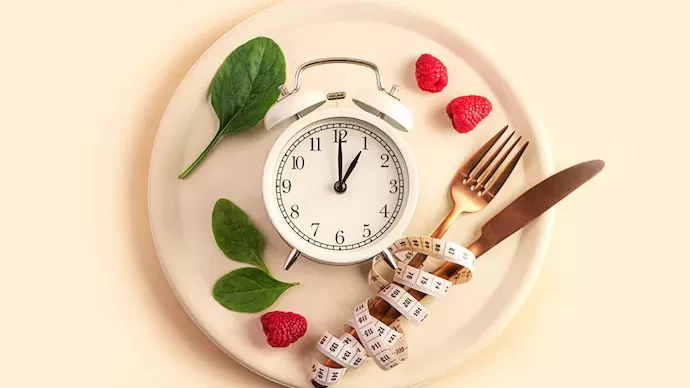
Indian Intermittent Fasting Guide Bridging Ancient Wisdom and Modern IF
Intermittent Fasting (IF) is the most popular modern weight loss tool, but its principles—periods of voluntary abstinence from food—are deeply rooted in Indian culture (Upvas in Hinduism, Chauvihar in Jainism).
The Conflict: The challenge is applying strict IF schedules (like 16:8) to traditional Indian mealtimes, and knowing how to break the fast without causing digestive distress (the “break-fast” meal is the most important!).
The Solution : This Indian Intermittent Fasting Guide provides culturally sensitive schedules and, crucially, the best traditional Indian foods to re-ignite your digestive fire (Agni) gently.
Goal: Maximize fat loss, stabilize blood sugar, and improve gut health using time-tested Indian ingredients.
Section 1: Indian Intermittent Fasting Guide: 3 Popular Schedules
The 12:12 Method (Beginner/Ayurvedic Alignment):
Schedule: 7 PM dinner to 7 AM breakfast.
Benefit: Naturally aligns with Dinacharya (Ayurvedic routine) and the body’s natural circadian rhythm. Easiest for managing Kapha heaviness.
The 14:10 Method (Intermediate):
Schedule: 7 PM dinner to 9 AM breakfast.
Benefit: Gives a longer fasting window without extreme hunger. Ideal for Pitta types (who cannot tolerate too much hunger).
The 16:8 Method (Popular/Advanced):
Schedule: 8 PM dinner to 12 PM (noon) lunch.
Benefit: Strongest for driving metabolic switching (using fat for fuel). Fits well with the Indian tradition of having the largest meal at noon.
Key Fasting Rule: During the fast, consume only water, black coffee, or plain herbal tea. Avoid anything with calories, especially sugar or milk, as they break the fast.
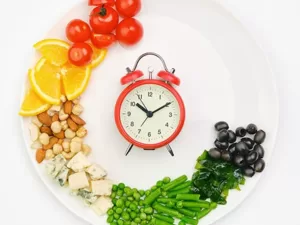
Section 2: Indian Intermittent Fasting Guide The Critical Rule: The Best Foods to Break Your Fast
The “break-fast” meal is the most crucial meal of the day. After a long fast, Agni is sensitive. Introducing heavy, cold, or highly refined foods will cause bloating, cramps, and insulin spikes.
Rule 1: Indian Intermittent Fasting Guides & Best Break-Fast Foods Start Light, Warm, and Liquid:
Best Starter: Warm water, herbal tea (ginger/fennel), or Bone Broth/Vegetable Stock (highly recommended for electrolytes and nutrients).
Rule 2: The First Meal Must Be High-Quality Protein and Healthy Fat:
Worst Foods to Break Fast: Heavy sweets, cold smoothies, refined flour products (like a massive Bhatura or pastry).
Best Indian Foods to Break Fast:
Moong Dal Soup or Thin Kitchari: Light, easy to digest, and highly nourishing.
Soaked Almonds/Walnuts: Healthy fats and protein (limit to 5-10 nuts).
Warm Paneer/Tofu Scramble: High protein content provides satiety without major carb load.
Rule 3: Indian Intermittent Fasting Guides & Best Break-Fast Foods Avoid Raw Foods Initially: Raw vegetables and heavy fruits can be hard to digest after a fast. Wait 30-60 minutes after the first light meal before having a salad.
Section 3: Maximizing IF Results with the Indian Intermittent Fasting Guide
The beauty of the Indian Intermittent Fasting Guide is the synergy with the traditional diet:
Maximize Sambar/Rasam: These liquid, nutrient-dense foods are excellent for the eating window. They provide bulk, fibre, and protein (from Dal) without excessive calories.
The Power of Spices: Use spices like Turmeric, Ginger, Black Pepper (Trikatu), and Cinnamon, which support metabolism and improve insulin sensitivity (a major goal of IF). (We detail their impact on digestion in our guide on Agni
The Low-Carb Swap: During your eating window, prioritize millets (Ragi, Jowar) and brown rice over white rice to keep insulin stable and sustain the fat-burning state achieved during the fast.
Conclusion
Summary: Intermittent Fasting isn’t a foreign concept; it’s a structural approach that enhances the already powerful health benefits of traditional Indian vegetarian food. By following this Indian Intermittent Fasting Guide and respecting the principle of breaking the fast gently, you can unlock better weight control, improved energy, and digestive health.
Leave feedback about this