
Digital Social Media Detox for Mental Health: 7 Powerful Benefits You Can’t Ignore
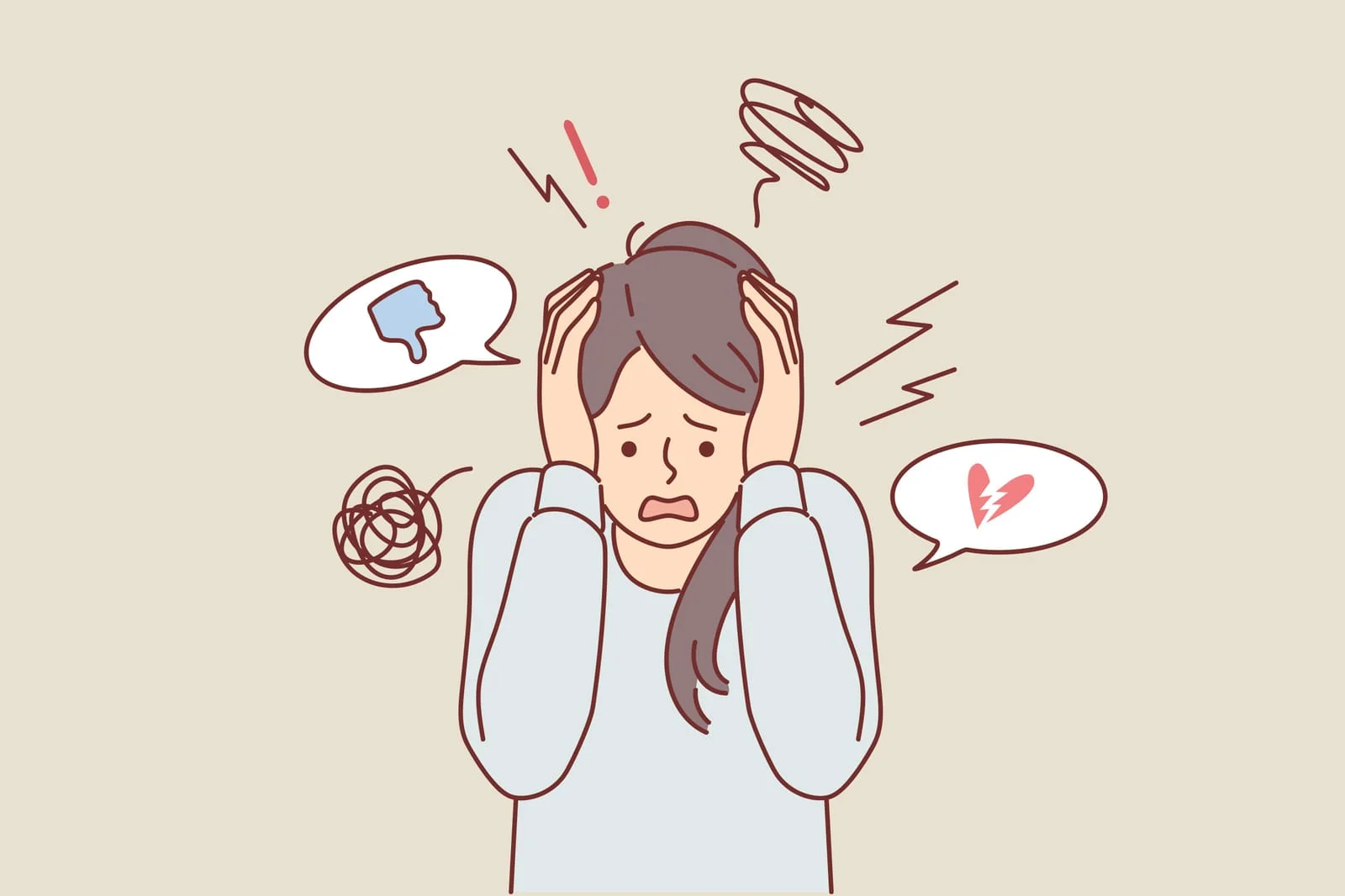
Digital social media detox for mental health has become one of the most powerful self-care practices in today’s hyper-connected world. With smartphones in our hands 24/7 and endless scrolling becoming a daily habit, our minds rarely get the rest they deserve. While social media connects us globally, excessive usage silently damages mental well-being.
In this in-depth guide, you’ll understand what a digital social media detox really means, why it matters, its psychological impacts, and how you can practically implement it in your life for long-term mental wellness.
📑 Table of Contents
- What Is a Digital Social Media Detox?
- Why Social Media Affects Mental Health
- Scientific Evidence Behind Digital Detox
- 7 Powerful Benefits of Digital Social Media Detox for Mental Health
- Signs You Need a Social Media Detox
- How to Do a Digital Social Media Detox (Step-by-Step)
- Short Detox vs Long-Term Detox
- Common Myths About Digital Detox
- Best Tools to Support a Digital Detox
- Final Thoughts on Mental Wellness
What Is a Digital Social Media Detox?
A digital social media detox for mental health is a conscious decision to reduce or completely stop using social media platforms for a specific period. This detox allows your brain to reset from constant notifications, comparisons, and information overload.
Unlike deleting social media forever, a detox is intentional, controlled, and mindful. It can last anywhere from 24 hours to several weeks depending on personal goals.
Why Social Media Affects Mental Health
Social media platforms are designed to capture attention. Features like infinite scroll, likes, comments, and notifications trigger dopamine release, similar to addictive substances.
Major Psychological Effects:
- Constant comparison with others
- Fear of Missing Out (FOMO)
- Reduced attention span
- Increased anxiety and depression
- Sleep disruption
According to studies published by the American Psychological Association, excessive social media use correlates strongly with stress, loneliness, and low self-esteem.
Scientific Evidence Behind Digital Detox
Multiple research studies confirm that taking breaks from social media significantly improves mental well-being.
A study by Harvard Medical School found that participants who reduced social media usage by just 30 minutes per day reported:
- Lower anxiety levels
- Improved sleep quality
- Better emotional regulation
Similarly, research from National Institutes of Health (NIH) highlights that constant digital stimulation increases cortisol (stress hormone) levels in the brain.
7 Powerful Benefits of Digital Social Media Detox for Mental Health
1. Reduced Anxiety and Stress
A digital social media detox for mental health helps your nervous system relax. Without constant notifications, your brain exits “alert mode,” lowering anxiety levels naturally.
2. Improved Focus and Productivity
Without endless scrolling, your attention span improves. Tasks feel easier, and deep focus becomes achievable again.
3. Better Sleep Quality
Blue light and late-night scrolling disrupt circadian rhythms. Detoxing leads to faster sleep onset and deeper rest.
4. Enhanced Self-Esteem
Social comparison disappears during detox. You begin valuing real-life progress instead of filtered perfection online.
5. Stronger Real-Life Relationships
When phones go down, conversations go deeper. Face-to-face interactions strengthen emotional bonds.
6. Increased Mindfulness and Presence
Digital detox encourages living in the moment. You notice surroundings, emotions, and thoughts more clearly.
7. Emotional Balance and Mental Clarity
Reduced digital noise leads to better emotional regulation and clarity of thought.
Signs You Need a Digital Social Media Detox
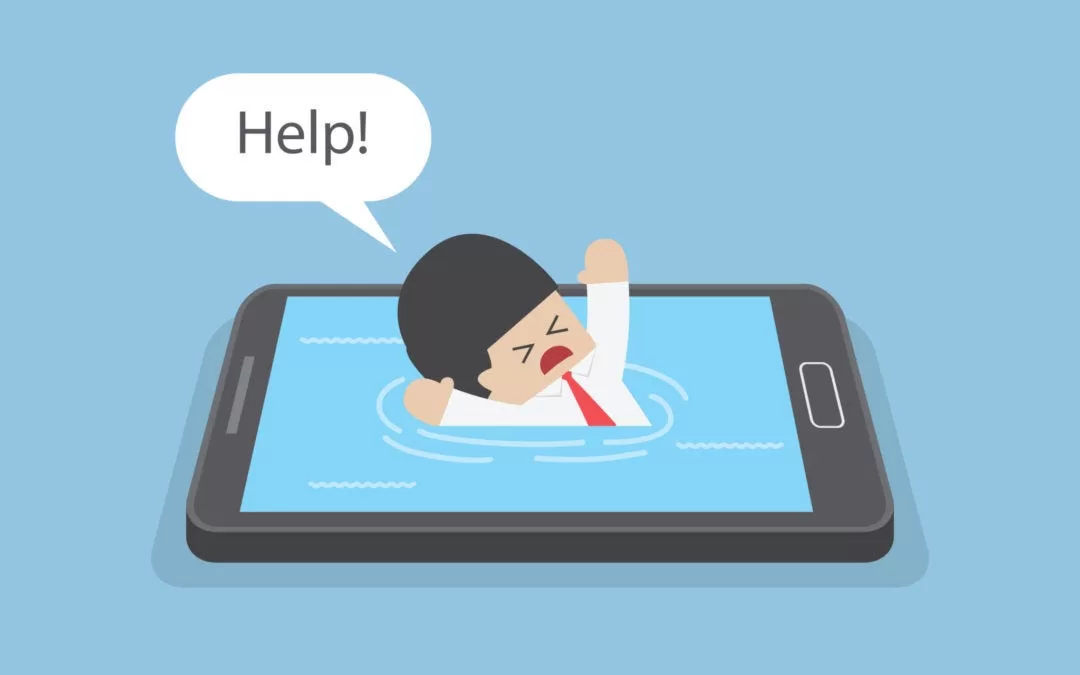
You may need a digital social media detox for mental health if:
- You check your phone first thing in the morning
- You feel anxious without internet access
- Scrolling makes you feel exhausted
- Sleep quality is poor
- You compare yourself constantly
How to Do a Digital Social Media Detox (Step-by-Step)
Step 1: Set Clear Goals
Decide whether your detox is for stress relief, focus, or emotional balance.
Step 2: Choose Detox Duration
Start small:
- 24 hours
- 7 days
- 30 days
Step 3: Remove Triggers
- Turn off notifications
- Log out of apps
- Use app blockers
Step 4: Replace Habits
Replace scrolling with:
- Reading
- Journaling
- Walking
- Meditation
Step 5: Reflect Daily
Track emotional changes in a journal to measure mental progress.
Short Detox vs Long-Term Detox
| Type | Duration | Best For |
|---|---|---|
| Short Detox | 24–72 hours | Mental reset |
| Medium Detox | 7–14 days | Habit control |
| Long Detox | 30+ days | Deep mental healing |
Common Myths About Digital Detox
Myth 1: You’ll Miss Important Updates
Reality: Important people will call or message you directly.
Myth 2: Detox Means Isolation
Reality: Detox improves real-world connections.
Best Tools to Support a Digital Detox
- Forest App – Focus improvement
- Freedom App – Block social apps
- Apple Screen Time – Usage tracking
Final Thoughts on Digital Social Media Detox for Mental Health
A digital social media detox for mental health is not about rejecting technology—it’s about reclaiming control. In a world dominated by screens, choosing mental clarity is a powerful act of self-care.
When practiced intentionally, digital detox improves emotional stability, focus, relationships, and overall happiness. Even small breaks can lead to life-changing results.
If mental peace is your priority, start your detox today—your mind will thank you.





Leave feedback about this