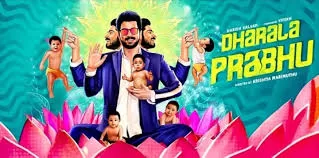
Dharala Prabhu Movie: A Charming, If Imperfect, Tamil Take on Vicky Donor
The Dharala Prabhu movie arrived with a unique challenge: adapting the wildly successful and culturally specific Hindi film Vicky Donor for the Tamil audience. Remakes often walk a tightrope between fidelity to the source and cultural translation, and this 2020 film, directed by Krishna Marimuthu and starring Harish Kalyan, is a fascinating case study. It retains the core premise of sperm donation and societal taboos but grafts it onto a Coimbatore setting, aiming to blend laugh-out-loud comedy with poignant social commentary. This review dives deep into the successes and missteps of the Dharala Prabhu movie, analyzing whether it manages to capture the original’s magic or carves its own unique space.

1. What is the Dharala Prabhu Movie All About?
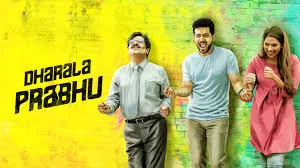
At its core, the Dharala Prabhu movie follows the same narrative blueprint as Vicky Donor. Prabhu (Harish Kalyan), a young, aimless man from a middle-class family, is discovered by Dr. Vasudevan (Vivek Prasanna), a fertility specialist in desperate need of a high-quality sperm donor. After much persuasion and financial incentive, Prabhu agrees, leading to a double life where his lucrative “job” must be kept a secret from his traditional family, especially from the strong-willed woman he falls for, Mahalakshmi (Tanya Hope). The film navigates the ensuing chaos, comedy, and emotional drama that erupts when such a closely guarded secret threatens to surface.
2. Cast & Characters: How Do They Compare to the Original?
The casting is crucial in making a familiar story feel fresh.
-
Harish Kalyan as Prabhu: Kalyan steps into the role made iconic by Ayushmann Khurrana. He brings a distinct Coimbatore-boy charm and effectively portrays the character’s confusion, guilt, and eventual maturity. While he may lack Khurrana’s inherent edge, his performance is sincere and relatable.
-
Vivek Prasanna as Dr. Vasudevan: Taking over from Annu Kapoor, Prasanna makes the role his own. He is less overtly eccentric and more of a determined, persuasive professional with a dry sense of humor. This grounded approach works within the film’s slightly more subdued tone.
-
Tanya Hope as Mahalakshmi: The character, analogous to Yami Gautam’s Ashima, is adapted to be a Brahmin girl, adding another layer of cultural and caste-based tension to the secret. Hope performs adequately, though the character’s arc sometimes feels secondary to Prabhu’s journey.
-
The Supporting Cast: Actors like Bose Venkat as Prabhu’s friend and Rajesh Balachandiran as Mahalakshmi’s father provide solid comedic and emotional support, anchoring the story in its Tamil milieu.
3. The Heart of the Story: Themes and Social Messaging
The Dharala Prabhu movie deserves credit for not shying away from the central, controversial theme. It tackles the stigma around male infertility and sperm donation in a conservative society head-on, using humor as a tool to ease the audience into the conversation. The film promotes a progressive message about modern family planning, the importance of normalizing fertility treatments, and challenging archaic notions of masculinity and parenthood. A pivotal scene where the secret is revealed at a family gathering is handled with a mix of drama and sensitivity, aiming to spark discussion rather than just laughter.
4. Highs and Lows: Strengths of the Film
Where the Dharala Prabhu movie works best is in its cultural transplantation. The setting in Coimbatore’s textile backdrop feels authentic. The integration of Tamil family dynamics, the specific societal pressures, and the local humor (largely courtesy of the supporting cast) are its strongest suits. The film is at its heartwarming best when it focuses on Prabhu’s relationship with his mother and the emotional conflict his secret causes within the family unit. The core idea remains powerful, and the film’s intention to educate while entertaining is commendable.
5. Where It Stumbles: The Remake’s Key Flaws
However, the Dharala Prabhu movie is not without significant flaws. The most common criticism, noted by several reviewers on platforms like Behindwoods, is its runtime and pacing. At nearly 2.5 hours, it feels stretched, with several comedy sequences that land flat and slow down the narrative momentum. The spark and razor-sharp wit of the original’s dialogue are sometimes lost in translation. Furthermore, while the lead pair has chemistry, the romantic track lacks the depth and development needed to make the third-act conflict truly resonant. Some plot developments feel predictable, a trap many remakes fall into.
6. Music & Cultural Context: The Role of Songs
The soundtrack, composed by Gopi Sundar, plays a traditional role in a Tamil film. Songs like “Mental Manadhil” are pleasant and well-choreographed but don’t necessarily advance the plot in the way the original’s integrated music did. They provide typical musical breaks, which fans of the genre will enjoy but might feel like narrative detours for others. The music serves to cement the film’s cultural context as a mainstream Tamil entertainer first, a social comedy second.
7. Final Verdict: Who Should Watch This Film?
The Dharala Prabhu movie is a mixed bag. It is a heartwarming and socially relevant film that succeeds in starting a necessary conversation in a regional context. Harish Kalyan’s earnest performance and the authentic setting are highlights. However, its bloated runtime and occasional lack of comedic sharpness hold it back from being a standout remake.
Final Recommendation: If you haven’t seen Vicky Donor, you will likely enjoy Dharala Prabhu movie as a unique, message-driven rom-com. For fans of the original, manage your expectations—this is a gentler, more elongated tribute rather than a beat-for-beat replication. It’s a worthwhile one-time watch that uses the framework of a hit film to address taboos in its own cultural language, even if it doesn’t quite match the revolutionary punch of its source material.