


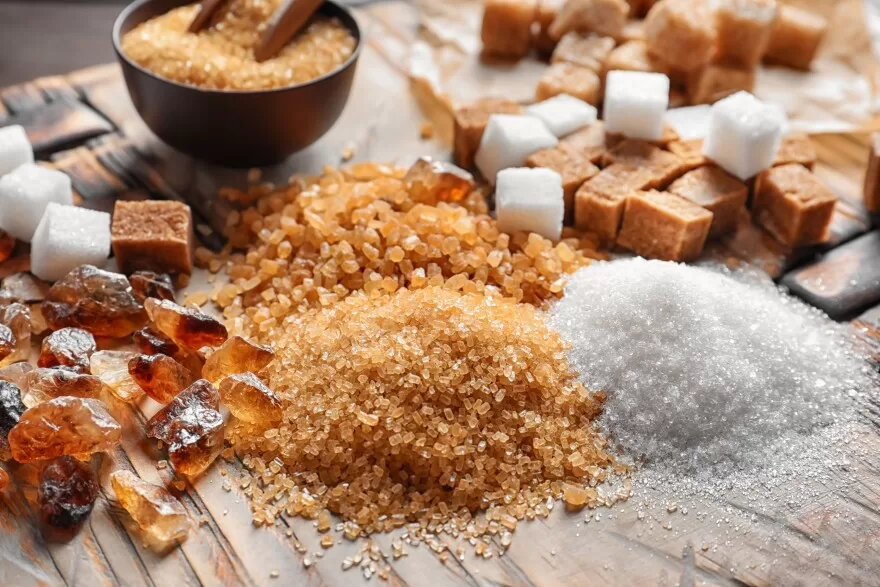
Harvard-trained doctor ranks 10 popular sweeteners by health impact
Sweeteners are everywhere: in our tea, coffee, breakfast cereals, packaged snacks and the “sugar-free” foods that promise easier weight control. But are all sweeteners created equal? Recently a Harvard- and Stanford-trained gastroenterologist, Dr. Saurabh Sethi, posted a short ranking of 10 common sweeteners based on their impact on gut health, inflammation, and blood-sugar response. His list — amplified by mainstream outlets — is a timely reminder that “natural” doesn’t always mean “harmless”, and that the best sweetener for one person may be a poor choice for another.
In this blog we’ll:
- Summarize the doctor’s ranking and the reasoning behind it.
- Explain the health pros and cons of each sweetener (what the science says).
- Give practical, evidence-based guidance on how to use sweeteners wisely.
- Offer healthy swap ideas and a short FAQ to clear common doubts.
Quick summary of the ranking (top → bottom)
Based on Dr. Sethi’s public ranking and commentary, the sweeteners cluster roughly like this:
Better for gut health / lower immediate harm
- Chicory root syrup (high in inulin, prebiotic)
- Whole dates / date paste (fiber, slower absorption)
- Raw honey (unprocessed, antimicrobial compounds when raw)
Middle of the road (use cautiously)
4. Monk fruit — low-glycemic, plant-derived.
5. Stevia — plant-based non-nutritive sweetener; concerns about processing/purity.
6. Brown sugar / coconut sugar — often perceived healthier but offer similar calories and metabolic effects when overconsumed.
Lower on health impact
7. Artificial sweeteners (aspartame, sucralose, saccharin etc.) — mixed effects on microbiome, metabolic signals.
8. Refined white sugar — spikes blood sugar and offers no micronutrients.
9. High-fructose corn syrup (HFCS) — linked to poor metabolic outcomes when consumed in excess.
Note: different outlets summarized Dr. Sethi’s video slightly differently, but the central message is consistent — prefer minimally processed, fiber-containing, or prebiotic sweeteners and be cautious with refined and ultra-processed sweeteners. The Times of India+1 #harvard
Why gut health matters when choosing a sweetener
Traditionally, nutritionists judged sweeteners by calories and glycemic effect. Increasingly, researchers consider the gut microbiome and inflammation as major mediators of overall health. Certain sweeteners (especially some artificial ones or refined fructose sources) can alter gut bacteria, increase intestinal inflammation or change glucose responses — effects that are often subtle and show up over months or years. That’s why a gut doctor’s ranking prioritizes microbiome impact along with metabolic effects.
Deep dive: the 10 sweeteners — what to know
1) Chicory root syrup (inulin)
Why Dr. Sethi ranked it high: Chicory root is rich in inulin, a soluble fiber and prebiotic that feeds beneficial gut bacteria. It doesn’t raise blood sugar in the same way simple sugars do and can improve bowel regularity and some markers of metabolic health when used appropriately.
Caveats: Inulin can cause gas, bloating or loose stools in sensitive individuals if consumed in large amounts. Start small. For people with IBS (particularly IBS-C or SIBO), prebiotics may worsen symptoms — so personalization matters.
2) Whole dates / date paste
Why it’s good: Dates provide natural sugar plus fiber, antioxidants and micronutrients. Because of the fiber matrix, sugar is absorbed more slowly, blunting sharp blood sugar spikes compared with table sugar. Dr. Sethi ranked dates favorably for their minimal processing and gut-friendly profile.
Caveats: Dates are calorie-dense — portion control is important.
3) Raw honey
Why it helps: Raw (unpasteurized) honey contains trace enzymes, antioxidants and may have mild antimicrobial properties. It’s less processed than white sugar and can offer a gentler blood sugar response in small quantities.
Caveats: Honey is still sugar; it’s unsuitable for infants under one year old and should be used sparingly.
4) Monk fruit
Why consider it: A natural, zero-calorie sweetener derived from fruit. Monk fruit extract doesn’t raise blood sugar and avoids many of the metabolic problems of added sugars. Dr. Sethi placed monk fruit in the mid-range — a reasonable choice when looking to reduce added sugars.
Caveats: Many monk fruit products are mixed with other sweeteners or bulking agents — check ingredient lists.
5) Stevia
Why it’s popular: Plant-derived, calorie-free and widely used. Some forms (whole-leaf stevia vs. highly processed extracts) may differ in how they interact with taste receptors and gut bacteria. Dr. Sethi noted concerns about processing/purity that can affect how “clean” the sweetener really is.
Caveats: Highly processed stevia blends may include fillers; some people report aftertaste.
6) Brown sugar & coconut sugar
Why they’re not magic: Brown sugar or coconut sugar are often marketed as “healthier”, but they’re largely sucrose with similar calories to white sugar. Coconut sugar has a marginally lower glycemic index and trace minerals, but in practical terms — especially in typical serving sizes — the metabolic effect is similar. Dr. Sethi put them in the middle because they are minimally processed compared with HFCS but still deliver free sugar.
7) Artificial sweeteners (aspartame, sucralose, saccharin, etc.)
Why they’re controversial: Artificial sweeteners save calories but their long-term effects on the microbiome, glucose regulation and potentially cognitive function are debated. Some observational studies link habitual artificial-sweetener consumption to changes in gut bacteria and metabolic signals; a recent large cohort study found associations with cognitive decline (though causality is not proven). Harvard experts advise caution and close monitoring when using these regularly.
Caveats: Regulatory bodies generally consider approved artificial sweeteners safe within acceptable daily intakes, but newer studies suggest nuanced long-term effects we should watch.
8) Refined white sugar
Why it’s low on the list: Straight glucose + fructose, quickly absorbed, causes blood sugar spikes and provides no nutrients. Excess sugar is linked to weight gain, fatty liver, and metabolic disease. Dr. Sethi ranked refined sugar well below whole-food sweeteners.
9) High-fructose corn syrup (HFCS)
Why it’s considered harmful in excess: HFCS is a common sweetener in sodas and many processed foods. Overconsumption of fructose (especially liquid forms) is associated with fatty liver, insulin resistance and adverse metabolic outcomes. Dr. Sethi placed HFCS near the bottom. The Times of India
10) Other syrups / novelty sweeteners
Maple syrup, agave, and similar syrups occupy varied positions in different lists. Agave is high in fructose (so treat like HFCS); maple syrup has antioxidants but is still sugar. The general rule: whole foods > syrups > refined sugar — when used sparingly. (This aligns with mainstream nutrition guidance.) The Times of India+1
What does science say (short version)?
-
Artificial sweeteners: Approved sweeteners (aspartame, sucralose, etc.) are considered safe within set limits, but recent observational research raises concerns about long-term metabolic and cognitive effects and possible microbiome changes. Controlled trials show mixed results — some people experience improved weight outcomes, while others show compensatory eating or altered glucose handling. The Nutrition Source+1
-
Fructose and HFCS: High intakes, particularly from sugary drinks, associate with fatty liver and metabolic disease. Whole-food sugars (like fruit) behave differently because of fiber and lower intakes per serving. The Times of India
-
Prebiotic sweeteners like inulin (chicory): Can feed beneficial bacteria and may improve bowel habits and some metabolic markers — but can provoke gas in sensitive people. The Times of India
Bottom line: evidence is nuanced; no single sweetener is universally “perfect.” The context (amount, frequency, food matrix, individual health) matters hugely. The Nutrition Source+1
Practical, everyday rules you can use
- Eat the whole food when possible. Prefer fruit, dates or a small amount of honey over added sugar in processed foods. Whole foods bring fiber and micronutrients that change how sugars are absorbed. The Times of India
- Portion control beats “health halo”. Jaggery, brown sugar, coconut sugar and maple syrup are not calorie-free—use small amounts. The Times of India
- If you choose non-nutritive sweeteners, rotate and monitor. If you use stevia, monk fruit or artificial sweeteners, don’t rely on a single option daily for years without checking how you feel and monitoring weight, blood sugar and digestion. Recent research encourages caution with chronic heavy use. The Nutrition Source+1
- For gut-sensitive people, test prebiotics carefully. If you try chicory/inulin products, add them slowly — they can cause bloating in some. The Times of India
- Watch beverages. Liquid sugar (sodas, sweetened coffees) is the fastest route to excess calories and spikes — swap to plain tea, black coffee, water or diluted flavored water. The Times of India
- Read labels. Many “natural” sweeteners are mixed with other sweeteners or fillers. Check ingredient lists. The Times of India
Healthy swaps and recipe tips
- Replace 1 tablespoon sugar with 1 tablespoon date paste in smoothies or baking (reduce liquid elsewhere). Dates add fiber and taste. The Times of India
- Use a small drizzle of raw honey on yogurt or fruit instead of large spoonfuls of sugar.
- For zero-calorie sweetness in beverages, try monk fruit or stevia (taste test for aftertaste).
- Replace sweet soda with sparkling water plus a squeeze of lemon or a splash of 100% fruit juice.
Frequently asked questions (short)
Q: Are artificial sweeteners linked to weight gain?
A: They can help reduce calories if they replace sugar, but some people compensate by eating more later. Also, long-term metabolic effects are still being studied, so use judiciously. The Nutrition Source+1
Q: Is honey healthier than sugar?
A: In small amounts, raw honey provides trace antioxidants and may be marginally better, but both are still sugars and should be limited. The Times of India
Q: Should diabetics use stevia or monk fruit?
A: Many people with diabetes use non-nutritive sweeteners to reduce glucose spikes, but individual responses vary. Monitor blood glucose and consult a clinician. The Nutrition Source
Final takeaways — a balanced, realistic approach #harvard
Dr. Sethi’s ranking is a useful, gut-focused lens on a complicated topic: prefer whole-food or prebiotic sweeteners in small amounts, be wary of refined sugars and HFCS, and treat artificial sweeteners as tools — not solutions. The healthiest strategy remains reducing overall added sugar, enjoying natural sweetness from fruits, and using lower-impact sweeteners sparingly and intentionally. If you have gut issues, metabolic disease, or cognitive concerns, discuss your sweetener choices with a healthcare provider — and if you’re experimenting with prebiotics or new sweeteners, introduce them slowly and watch how your body reacts. The Times of India+2The Economic Times+2
Sources & further reading | #Harvard
- Times of India: “Harvard-trained doctor ranks 10 popular sweeteners by health impact.” The Times of India
- Economic Times coverage summarizing the doctor’s Instagram video. The Economic Times
- Hindustan Times summary of Dr. Saurabh Sethi’s post. Hindustan Times
- Harvard T.H. Chan School — Nutrition Source on low-calorie sweeteners. The Nutrition Source
- Recent coverage of cohort research suggesting links between sweetener consumption and cognitive decline (for context on ongoing research, not definitive proof).


# Harvard # Harvard # Harvard-Trained-Doctor