Mindfulness Meditation and Self-Care: 9 Powerful Habits for a Calmer, Happier Life
Mindfulness meditation and self-care are no longer luxury practices—they are essential tools for surviving and thriving in today’s fast-paced, digitally overwhelming world. Stress, anxiety, burnout, and emotional fatigue have become common experiences, making intentional mental wellness practices more important than ever.
In this comprehensive guide, you’ll learn what mindfulness really means, how meditation rewires the brain, why self-care is more than just “me-time,” and how combining all three creates long-term mental and emotional balance.
📑 Table of Contents
- What Is Mindfulness?
- Understanding Meditation and Its Types
- What Does Self-Care Really Mean?
- The Science Behind Mindfulness Meditation and Self-Care
- 9 Powerful Benefits of Mindfulness Meditation and Self-Care
- Daily Mindfulness Practices for Beginners
- How to Build a Sustainable Self-Care Routine
- Common Myths About Mindfulness & Meditation
- Tools, Apps, and Resources for Mental Wellness
- Final Thoughts on Living a Balanced Life
What Is Mindfulness?
Mindfulness is the practice of being fully present in the moment, aware of your thoughts, emotions, bodily sensations, and surroundings—without judgment.
In simple words, mindfulness means:
- Not living in the past
- Not worrying about the future
- Being fully aware of now
When practiced regularly, mindfulness meditation and self-care help individuals respond thoughtfully instead of reacting emotionally.
Understanding Meditation and Its Types
Meditation is a structured practice that trains the mind to focus, relax, and gain clarity. While mindfulness is a state of awareness, meditation is the tool that helps develop it.
Popular Types of Meditation:
1. Mindfulness Meditation
Focuses on breathing, thoughts, and sensations as they arise.
2. Guided Meditation
Led by a teacher or app using voice instructions.
3. Loving-Kindness Meditation
Cultivates compassion for yourself and others.
4. Body Scan Meditation
Improves mind-body awareness and relaxation.
All these forms support mindfulness meditation and self-care when practiced consistently.
What Does Self-Care Really Mean?
Self-care is often misunderstood as spa days or vacations. In reality, it’s about daily habits that protect mental, emotional, and physical health.
Types of Self-Care:
- Mental Self-Care: Journaling, therapy, mindfulness
- Emotional Self-Care: Setting boundaries, self-compassion
- Physical Self-Care: Sleep, nutrition, movement
- Digital Self-Care: Reducing screen time
- Social Self-Care: Healthy relationships
True mindfulness meditation and self-care focus on sustainability—not occasional indulgence.
The Science Behind Mindfulness Meditation and Self-Care
Scientific research strongly supports the mental health benefits of mindfulness and meditation.
According to Harvard Medical School, mindfulness meditation:
- Reduces activity in the brain’s stress center (amygdala)
- Improves emotional regulation
- Enhances focus and memory
Studies published by the National Institutes of Health (NIH) show that regular meditation lowers cortisol levels and improves symptoms of anxiety and depression.
The World Health Organization (WHO) also recognizes mindfulness-based practices as effective tools for mental well-being.
9 Powerful Benefits of Mindfulness Meditation and Self-Care
1. Reduced Stress and Anxiety
Mindfulness helps calm the nervous system, reducing overthinking and panic responses.
2. Improved Emotional Regulation
You learn to observe emotions without being controlled by them.
3. Better Focus and Concentration
Meditation strengthens attention span and cognitive clarity.
4. Enhanced Sleep Quality
Mindfulness reduces racing thoughts that disrupt sleep.
5. Improved Self-Awareness
You understand your triggers, habits, and emotional patterns better.
6. Increased Self-Compassion
Self-care encourages kindness toward yourself instead of self-criticism.
7. Stronger Mental Resilience
Mindfulness builds the ability to bounce back from challenges.
8. Better Physical Health
Lower stress improves immunity, blood pressure, and digestion.
9. Long-Term Happiness and Inner Peace
Consistent practice creates a balanced, fulfilling life.

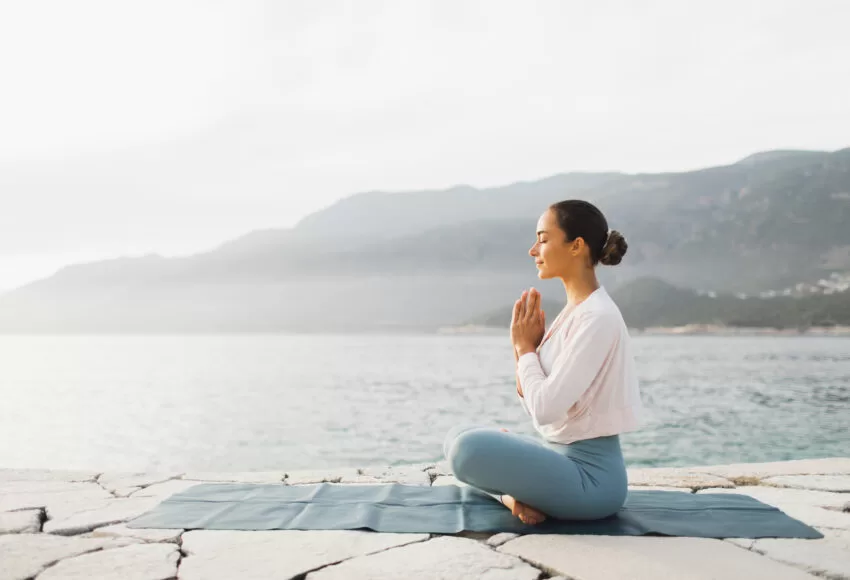
Daily Mindfulness Practices for Beginners
Morning (5–10 Minutes)
- Deep breathing
- Gratitude reflection
Midday
- Mindful eating
- Short body scan
Evening
- Guided meditation
- Digital detox
- Journaling
Small daily steps make mindfulness meditation and self-care achievable for everyone.
How to Build a Sustainable Self-Care Routine
Step 1: Start Small
Consistency matters more than duration.
Step 2: Schedule It
Treat self-care like a non-negotiable appointment.
Step 3: Remove Guilt
Self-care is not selfish—it’s survival.
Step 4: Reflect Weekly
Track mood, energy, and stress levels.
Common Myths About Mindfulness & Meditation
Myth 1: Meditation Means Emptying the Mind
Truth: It’s about observing thoughts, not eliminating them.
Myth 2: You Need Hours Daily
Truth: Even 5 minutes makes a difference.
Myth 3: Self-Care Is Selfish
Truth: You can’t pour from an empty cup.
Tools, Apps, and Resources for Mental Wellness
Recommended Apps:
- Headspace – Beginner-friendly meditation
- Calm – Sleep and anxiety relief
- Insight Timer – Free guided meditations
External Resources:
- Harvard Health – Mindfulness & Meditation
- World Health Organization – Mental Health
- NIH – Meditation Research
Final Thoughts on Mindfulness Meditation and Self-Care
Mindfulness meditation and self-care are not quick fixes—they are lifelong skills. In a world full of noise, distractions, and pressure, choosing presence and self-kindness is a radical act of self-respect.
When practiced consistently, these habits transform stress into awareness, anxiety into calm, and exhaustion into balance.
Start today. Start small. Your mind deserves care.