Hormones: The Monthly Cycle of Energy and Mood
Hormones—specifically estrogen and progesterone—govern far more than fertility; they dictate energy levels, mood stability, sleep quality, and metabolic rate. When these critical hormones fall out of sync, the result is often severe PMS, debilitating fatigue, unpredictable mood swings, and inflammation. Imbalance is common, but it is not inevitable.
Nutrition for Hormonal Balance is the most powerful tool you have. It offers a safe, non-invasive, and amazing way to gently support your endocrine system and smooth out these monthly fluctuations, leading to lasting vitality.
The Liver’s Role in Estrogen Detoxification
The liver is absolutely essential for maintaining hormonal balance. After hormones like estrogen have been used by the body, the liver breaks them down and prepares them for excretion. If the liver is overburdened (due to poor diet, excessive alcohol, or environmental toxins), used estrogen recirculates in the bloodstream. This buildup of excess estrogen is a primary cause of symptoms like breast tenderness, heavy bleeding, and significant moodiness. Prioritizing good Nutrition for Hormonal Balance directly supports the liver’s detoxification pathways.


5 Essential Nutrition for Hormonal Balance (The Cycle Support Plan)
These 5 essential Nutrition for Hormonal Balance practices target the key nutrients needed for hormone production, efficient detoxification, and symptom relief.
-
Healthy Fats (Omega-3s): Hormones are made from cholesterol, so consuming quality fats (avocado, ghee, fatty fish, flaxseeds) is vital. Omega-3s also produce anti-inflammatory prostaglandins, which reduce painful cramping and systemic inflammation. (These fats are excellent for joint health.
-
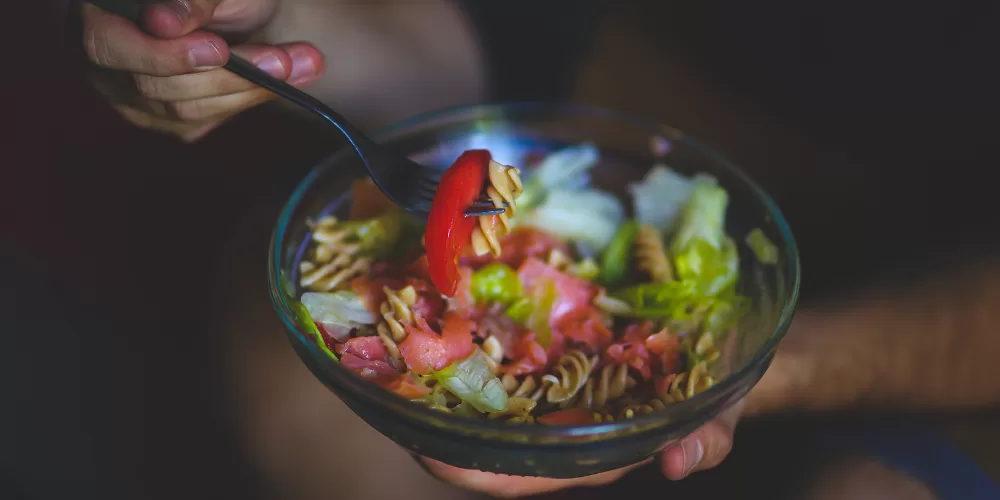
Fiber-Rich Foods: Fiber (from vegetables, lentils, and whole grains) is powerful because it binds directly to excess estrogen in the gut, ensuring it leaves the body via excretion instead of being reabsorbed back into the bloodstream. Aim for 25-30 grams daily.
-
B Vitamins (especially B6): B vitamins are essential co-factors for the liver’s intricate detoxification process (Phase I and II). B6, in particular, aids in the production of calming neurotransmitters like serotonin, which significantly helps alleviate PMS-related anxiety and depression.
-
Cruciferous Vegetables: Broccoli, cauliflower, cabbage, and kale contain DIM (Diindolylmethane). This compound actively supports the liver in breaking down and excreting specific types of “bad” estrogen, helping to clear excess hormone.
-
Magnesium: Often called the “calming mineral.” Magnesium intake can significantly relax smooth muscle tissue, which directly reduces period cramps and headaches. It also improves insulin sensitivity and sleep quality, both of which support hormonal health.
Seed Cycling: The Powerful Natural Regulator
Seed cycling is a most powerful and simple technique in Nutrition for Hormonal Balance. It involves eating specific seeds during the two halves of the menstrual cycle to support the natural production and balance of estrogen and progesterone:
Follicular Phase (Day 1-14): Consume 1 tbsp each of ground Flaxseeds and Pumpkin Seeds. These contain compounds that gently support estrogen production and metabolism.
Luteal Phase (Day 15-28): Consume 1 tbsp each of ground Sesame Seeds and Sunflower Seeds. These provide Vitamin E and selenium, which help support progesterone production.
Why Micronutrients Matter: B Vitamins and Magnesium
We often focus on macro-nutrients (fats, protein, carbs), but the micro-nutrients are the essential catalysts. Without enough B6, your liver cannot process estrogen correctly. Without enough Magnesium, your muscles cramp, and your nervous system stays on high alert. This foundational support is what makes Nutrition for Hormonal Balance so highly effective.
External Credibility: Nutritional epidemiology strongly supports the use of dietary fiber and healthy fats as powerful tools to modulate estrogen metabolism and reduce the severity of common menstrual symptoms, often yielding effects comparable to over-the-counter interventions.
Foods to Avoid (The Hormone Disruptors)
To ensure the success of Nutrition for Hormonal Balance, you must minimize the intake of common hormone disruptors that cause inflammation and tax the liver:
Refined Sugar and Processed Foods: These spike insulin, which can throw off the balance of other hormones, including estrogen and testosterone.
Excessive Caffeine and Alcohol: They disrupt sleep patterns and significantly impair the liver’s ability to detoxify and excrete hormones.
Conclusion: Mastering the Monthly Cycle
You have the power to influence your hormonal health every single day through your diet. By prioritizing these 5 essential Nutrition for Hormonal Balance practices—especially incorporating fiber, cruciferous vegetables, and healthy fats—you can minimize uncomfortable symptoms, improve liver function, and achieve amazing, stable energy throughout your entire monthly cycle. This holistic approach offers safe and lasting relief.