

Top 5 Anti-Inflammatory Foods for Joint Pain Chronic Inflammation: The Enemy of Joint Health
Joint pain, whether from arthritis or chronic wear-and-tear, is fundamentally an inflammatory response. When inflammation becomes chronic and systemic, it degrades cartilage and causes the stiffness and persistent soreness that limits mobility.
The most powerful and safest tool you have to combat this inflammation is your diet. Integrating Anti-Inflammatory Foods for Joint Pain is a daily, proactive step toward healing. Nutrients in these foods actively suppress inflammatory pathways at a cellular level, often without the side effects of traditional medications. By choosing whole, unprocessed anti-inflammatory options, you promote long-term joint resilience and pain reduction.
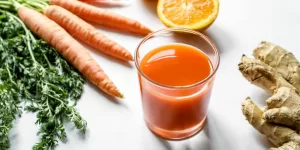
The Role of the Gut in Systemic Inflammation
If your gut lining is compromised (leaky gut), undigested food particles can enter the bloodstream, triggering a systemic immune response. This widespread inflammation often targets the joints. Therefore, the Anti-Inflammatory Foods for Joint Pain we recommend also prioritize gut health. Focusing on foods rich in probiotics and prebiotics helps repair the intestinal barrier, reducing the influx of inflammatory triggers. This dual-action approach not only calms systemic inflammation but also directly addresses a root cause of chronic joint discomfort. Heal the gut, and you significantly lessen the burden on your joints.
5 Best Anti-Inflammatory Foods for Joint Pain (The Daily Rx)
These 5 best Anti-Inflammatory Foods for Joint Pain should form the foundation of your daily nutritional plan.
- Fatty Fish (Salmon, Sardines): Rich in Omega-3 fatty acids (EPA and DHA). These are powerful mediators that actively block inflammatory pathways in the body.
- Turmeric (Curcumin): The active compound, curcumin, is a phenomenal anti-inflammatory agent. Action: Consume a pinch daily with black pepper (to aid absorption) in milk or curries.
- Ginger: A strong anti-inflammatory and pain reliever. Research suggests it can reduce the activity of several genes involved in chronic inflammation.
- Berries (Blueberries, Raspberries): High in antioxidants and flavonoids that neutralize free radicals which cause cellular damage and inflammation around the joints.
- Extra Virgin Olive Oil (EVOO): Contains oleocanthal, a compound that mimics the effects of Ibuprofen (a common anti-inflammatory drug).
Foods to Avoid: The Pro-Inflammatory Traps
To fully harness the benefits of Anti-Inflammatory Foods for Joint Pain, you must reduce intake of foods that cause it:
Refined Sugar and Fructose: These are highly inflammatory and feed harmful gut bacteria.
Trans Fats: Found in processed snacks and fried foods, they drive systemic inflammation.
Refined Vegetable Oils: High in Omega-6s (corn, soy, sunflower), which can promote inflammation when consumed in excess.
External Credibility: Clinical dietary studies consistently demonstrate that increasing the ratio of Omega-3s to Omega-6s and incorporating daily sources of Curcumin are highly effective nutritional strategies for managing rheumatoid and osteoarthritis symptoms.
Hydration and Supplementation Support
Water: Hydration is essential for maintaining the viscosity of joint fluid (synovial fluid).
Supplements: Consider supplementing the Anti-Inflammatory Foods for Joint Pain with Omega-3 capsules or high-dose curcumin extract for a more aggressive anti-inflammatory effect.Omega-3s are vital for their powerful effect on reducing $C$-reactive protein, a marker of inflammation. Curcumin, the active compound in turmeric, blocks several molecules that lead to inflammation, offering significant pain relief. Always consult your healthcare provider before starting any new supplement regimen to ensure it complements your individual health needs.
Conclusion: Diet as Your Medicine
Joint pain does not have to be inevitable. By making the deliberate choice to consume these 5 best Anti-Inflammatory Foods for Joint Pain, you are employing a powerful and natural strategy to reduce pain, slow joint damage, and improve your mobility. This is your path to amazing daily comfort and function. Prioritize consistency, and your body will thank you with sustained vitality and less reliance on medication.
Leave feedback about this