
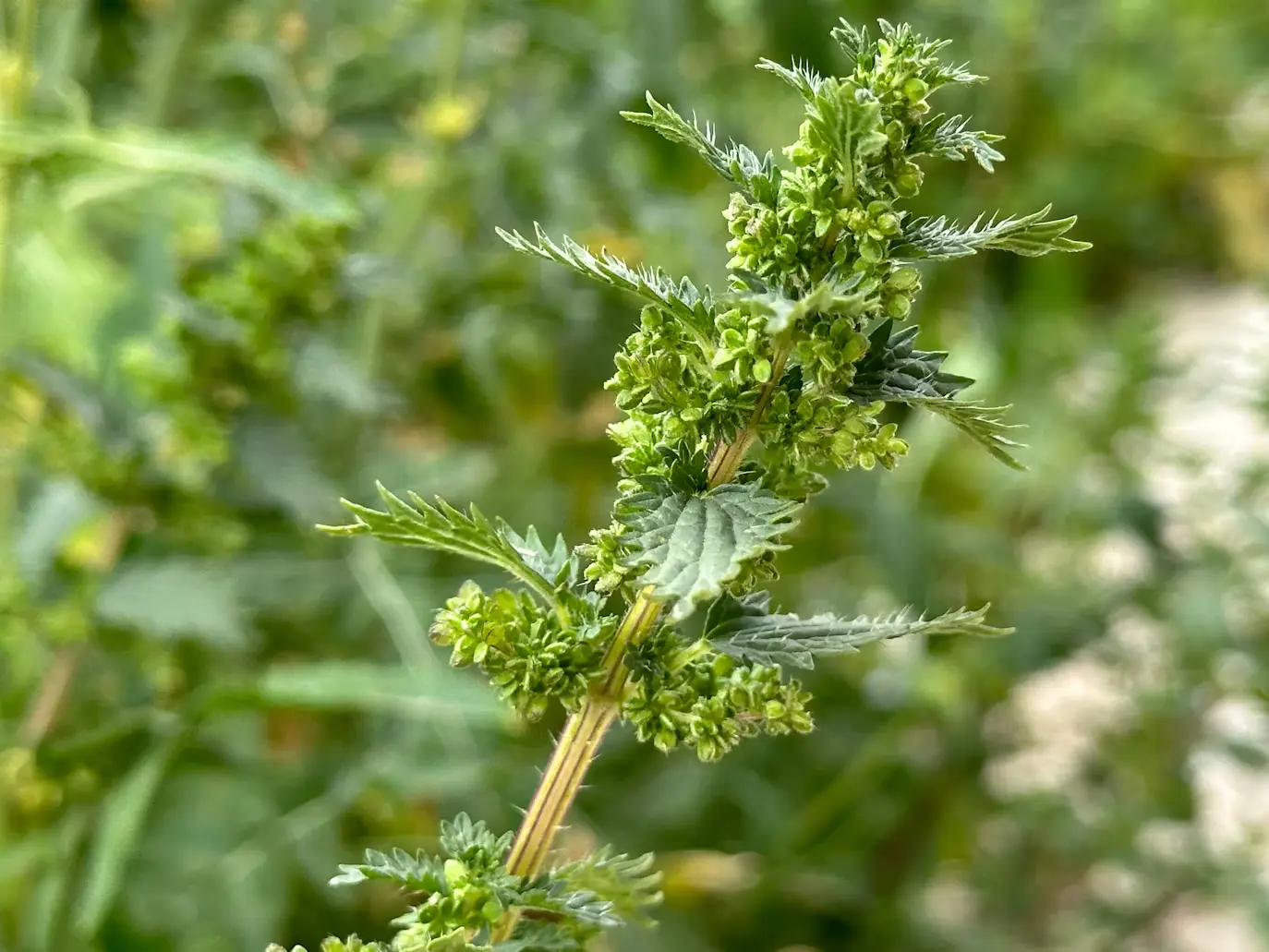
Ayurvedic herbs for hormonal balance
Do you feel like you’re constantly riding a wave of emotions, energy slumps, and unexplained cravings? Does your body feel like a mystery, with your skin, sleep, and mood changing with the calendar? If this sounds familiar, you’re not alone. Millions of women are navigating the complex world of hormonal balance.
In our fast-paced, high-stress world, our endocrine system—the delicate conductor of our hormonal orchestra—is constantly under fire. We’re told to power through, drink more coffee, and just “deal with it.” But what if the key to unlocking sustainable wellness wasn’t found in a new, trendy supplement, but in ancient wisdom?
Welcome to the world of Ayurveda, a 5,000-year-old healing system from India that translates to “The Science of Life.” Ayurveda offers a profound, holistic, and deeply personalized path to wellness, especially when it comes to achieving hormonal balance. This isn’t about a quick fix; it’s about reconnecting with your body’s innate intelligence. In this guide, we will delve deep into the most powerful Ayurvedic herbs for hormonal balance, understanding how they work in harmony with your body to restore your natural rhythm.
Understanding Hormonal Harmony Through an Ayurvedic Lens
Before we explore the specific Ayurvedic herbs for hormonal balance, it’s crucial to understand the Ayurvedic perspective. Ayurveda doesn’t see hormones as separate chemicals but as integral parts of our overall vitality, or Ojas—the essence of our immunity and stability.
Hormonal imbalances are often linked to an aggravated Vata dosha (the energy of movement) and depleted Rasayana (rejuvenating) tissues. Stress, poor diet, and erratic lifestyle whip Vata into a frenzy, disrupting the delicate communication between our brain (hypothalamus and pituitary) and our reproductive organs. The goal of using Ayurvedic herbs for hormonal balance is to pacify Vata, nourish the tissues, and support the body’s inherent ability to self-regulate, thereby promoting true hormonal balance.
The Sacred Seven: Powerful Ayurvedic Herbs for Hormonal Balance
Let’s meet the all-star team of nature’s apothecary. These time-tested Ayurvedic herbs for hormonal balance have been used for centuries to support women’s health at every stage of life.
1. Ashwagandha: The Stress-Busting Adaptogen
Often called the “King of Ayurvedic Herbs,” Ashwagandha (Withania somnifera) is a premier adaptogen. This means it helps your body adapt to and resist physical and emotional stress.
- How it Supports Hormonal Balance: Chronic stress elevates cortisol, the primary stress hormone, which can throw your entire endocrine system—including thyroid and reproductive hormones—into disarray. By modulating the stress response, Ashwagandha helps create a stable foundation for overall hormonal balance. It’s particularly beneficial for supporting thyroid function and calming an aggravated nervous system.
- Best For: Fatigue, adrenal fatigue, anxiety, low libido, and supporting thyroid health.
- How to Use: A warm cup of Ashwagandha powder mixed with milk (or a plant-based alternative) and a pinch of cinnamon before bed can be deeply grounding.
2. Shatavari: The Queen of Female Vitality
If Ashwagandha is the King, Shatavari (Asparagus racemosus) is undoubtedly the Queen. Its very name means “she who possesses a hundred husbands,” speaking to its legendary reputation for enhancing female vitality and reproductive health.
- How it Supports Hormonal Balance: Shatavari is a phytoestrogenic herb, meaning it provides a mild estrogenic effect in the body. This can be incredibly helpful for modulating estrogen levels, whether they are too high or too low. It nourishes the female reproductive system, boosts lactation, and enhances libido. It’s a cornerstone herb for achieving hormonal balance through nourishment and rejuvenation.
- Best For: PCOS, menopausal symptoms like hot flashes and vaginal dryness, low libido, and fertility support.
- How to Use: Shatavari powder can be mixed into warm milk, smoothies, or water with a bit of ghee or honey.
3. Shatavari and Ashwagandha: A Synergistic Power Duo
While each is powerful on its own, the combination of Shatavari and Ashwagandha creates a synergistic effect that is profoundly effective for hormonal balance. Together, they address both the stress component (Ashwagandha) and the reproductive nourishment component (Shatavari), offering a comprehensive approach to restoring hormonal balance.
4. Turmeric: The Golden Anti-Inflammatory
No list of Ayurvedic herbs for hormonal balance is complete without the golden goddess, Turmeric (Curcuma longa). Its active compound, curcumin, is one of the most potent natural anti-inflammatories on the planet.
- How it Supports Hormonal Balance: Many hormonal issues, like PCOS and painful periods, are rooted in chronic inflammation. By reducing systemic inflammation, Turmeric helps create an environment where hormones can function optimally. It supports liver detoxification, which is crucial for clearing used hormones from the body, a key step in maintaining hormonal balance.
- Best For: Painful periods, inflammatory conditions like PCOS, and overall metabolic health.
- How to Use: Always consume with black pepper and a healthy fat (like coconut oil) to enhance absorption. A daily “Golden Milk” latte is a delicious ritual.
5. Triphala: The Gentle Detoxifier
Triphala, a blend of three fruits (Amalaki, Bibhitaki, and Haritaki), is famous as a gentle digestive cleanser. But its role in hormonal balance is often overlooked.
- How it Supports Hormonal Balance: A healthy digestive tract (or Agni) is the bedrock of health in Ayurveda. If digestion is weak, toxins (Ama) accumulate and can clog the channels of the body, including those responsible for hormonal communication. Triphala gently cleanses the colon, improves digestion, and supports the liver, all of which are essential for achieving and maintaining hormonal balance.
- Best For: Constipation, bloating, sluggish digestion, and as a foundational support for any protocol using Ayurvedic herbs for hormonal balance.
- How to Use: A teaspoon of Triphala powder in warm water before bed supports overnight cleansing.
6. Licorice Root (Mulethi): The Adrenal Soother
Licorice Root is a sweet, cooling herb that is a fantastic tonic for the adrenal glands, which produce cortisol.
- How it Supports Hormonal Balance: For women experiencing burnout and extreme fatigue, licorice root can provide direct support to the adrenals, helping to regulate cortisol output. This indirect support is vital for overall hormonal balance, as exhausted adrenals can disrupt the production of sex hormones. Note: It should be used with caution by those with high blood pressure.
- Best For: Adrenal fatigue, low cortisol, and perimenopausal symptoms.
- How to Use: Often taken as a tea. Due to its potency, it’s best to consult an Ayurvedic practitioner for dosage.
7. Manjistha: The Blood Purifier and Lymphatic Support
Manjistha (Rubia cordifolia) is a premier blood-purifying herb in Ayurveda. It’s known for its ability to clear heat and toxins from the blood and support the lymphatic system.
- How it Supports Hormonal Balance: Clear pathways are essential for hormonal communication. By purifying the blood and supporting the lymphatic system—our body’s sewage system—Manjistha ensures that hormones can travel effectively to their target sites and that metabolic waste is efficiently removed. This cleansing action is a critical, though often unseen, aspect of hormonal balance.
- Best For: Hormonal acne, cystic breasts, and supporting detoxification pathways.
- How to Use: Can be taken as a powder or in capsule form, often combined with other cleansing herbs.
Weaving Ayurvedic Herbs into the Tapestry of Your Life
Simply taking herbs is not enough. True healing with Ayurvedic herbs for hormonal balance comes from integrating them into a holistic lifestyle.
- Mindful Nutrition: Favor warm, cooked, and easily digestible foods. Incorporate healthy fats like ghee and olive oil, which are the building blocks of hormones. Reduce processed foods, refined sugars, and excessive caffeine.
- Consistent Routine (Dinacharya): Going to bed, waking up, and eating your meals at roughly the same time each day is one of the most powerful ways to pacify Vata and support hormonal balance.
- Gentle Movement: Instead of intense, stressful workouts, opt for grounding exercises like walking in nature, yoga, swimming, or Tai Chi.
- Prioritize Sleep: Sleep is non-negotiable for hormonal balance. Aim for 7-8 hours of quality sleep, ideally before 10 PM.
A Word of Caution: Wisdom and Personalization
While these Ayurvedic herbs for hormonal balance are natural, they are potent. They are medicine.
- Consult a Professional: Before starting any new herbal regimen, especially if you are on medication, are pregnant, or nursing, please consult with a qualified Ayurvedic practitioner or an integrative healthcare provider.
- Quality Matters: Source your herbs from reputable companies that provide third-party testing for purity and heavy metals.
- Listen to Your Body: You are the ultimate expert on your body. Start with one herb at a low dose and observe how you feel.
Conclusion: Your Journey Back to Balance Starts Now

The path to hormonal balance is a journey of homecoming—a return to the innate wisdom of your body. The ancient Ayurvedic herbs for hormonal balance we’ve explored are not magic pills, but powerful allies on this path. They offer a time-tested, gentle, and profound way to support your body’s ability to heal itself.
By embracing these herbs and the lifestyle principles that accompany them, you are not just managing symptoms; you are investing in a foundation of radiant health that will support you through every season of your life. Remember, the goal is not perfection, but rhythm. It’s about finding your unique flow and using the incredible gift of Ayurvedic herbs for hormonal balance to nurture it, every single day.
Disclaimer: This article is for informational purposes only and is not intended to replace professional medical advice, diagnosis, or treatment. Always seek the advice of your physician or other qualified health provider with any questions you may have regarding a medical condition.




Leave feedback about this