


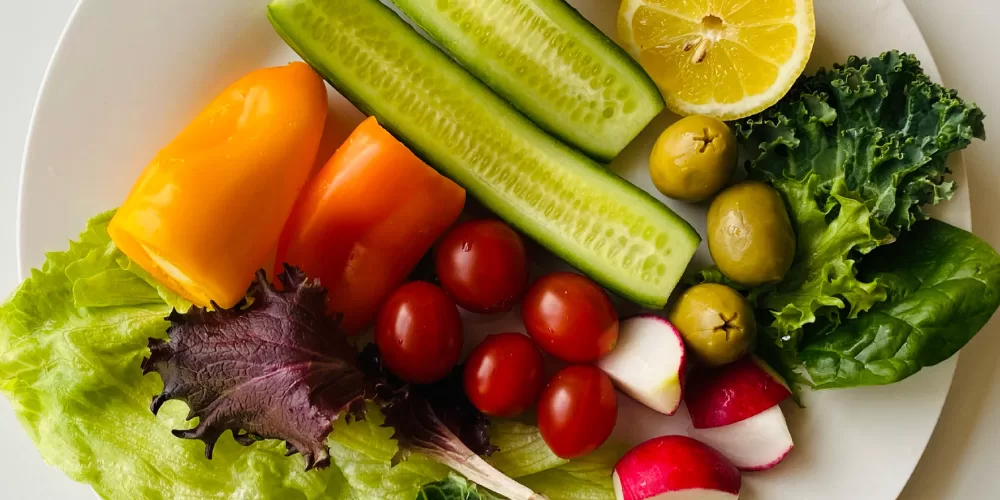
Diabetes Friendly Indian Diet Chart The Carb Challenge: Why You’re Always Hungry
Let’s be honest: Managing diabetes feels like an uphill battle, especially when your kitchen is filled with delicious, yet carb-heavy, Indian staples. You’ve been told to cut out rice and sweets, but what do you actually eat to feel full and happy?
The core problem isn’t just carbs; it’s the quality of those carbs. Foods like white rice, poha, and maida roti are high on the Glycemic Index (GI), meaning they dump sugar into your bloodstream quickly. This forces your body to overwork, leading to the crashes, fatigue, and constant hunger that define Type 2 diabetes management.
But here is the good news: you don’t have to give up Indian food. The solution lies in making smart swaps and mastering the three pillars of stable blood sugar management. This guide provides your Ultimate Diabetes Friendly Indian Diet Chart—a practical, vegetarian plan that turns your favorite cuisine into a powerful tool for health.
The Three Pillars of Your New Plate
To stabilize your blood sugar, we focus on maximizing two things you can easily find in an Indian kitchen: Fiber and Protein.
Pillar 1: Embrace the Low-GI Life
The Glycemic Index is your new best friend. It simply tells you how quickly a food turns into sugar.
The Swap: Say goodbye to high-GI foods like white rice and refined flour. Welcome slow-burning complex carbs like millets (Ragi, Jowar, Bajra), brown rice, and whole pulses. These release sugar slowly, preventing the dangerous blood sugar spike.
Pillar 2: The Power of Fiber
Fiber—found abundantly in dal, vegetables, and millets—is a physical barrier in your gut. It literally slows down the absorption of sugar into your bloodstream. It’s non-negotiable for anyone managing diabetes.
Pillar 3: Pair Carbs with Protein (The Satiety Secret)
You should never eat carbs alone. When you pair a carb (like a roti) with protein (like dal or paneer), the protein and healthy fats slow down gastric emptying. This blunts the sugar spike and keeps you feeling satisfied for hours, naturally helping you manage weight, a critical factor in diabetes control (a principle we dive into in the Indian High Protein Meal Plan).


Your 7-Day Diabetes Friendly Indian Diet Chart (A Sample Week)
Consistency in timing and portion control is just as important as the food itself. Aim for consistent meal times to match your body’s natural insulin release.
| Timing | Meal Focus | Diabetes-Friendly Indian Swap |
| Early Morning | Detox & Regulation | Soaked Methi (Fenugreek) seeds or a small glass of Karela (Bitter Gourd) juice. |
| Breakfast (8:00 AM) | High Fiber & Protein | Moong Dal Cheela (thin, lentil pancake) with grated vegetables, or Masala Oats cooked with Tofu. |
| Lunch (1:00 PM) | Largest Meal (Pulses) | 1-2 small Jowar/Bajra Roti + Large serving of Masoor Dal (lentil soup) + Large bowl of Palak or Bhindi Sabzi (spinach/ladyfinger curry). |
| Mid-Evening Snack (4:30 PM) | Low-Carb Fiber | Buttermilk (Chaas) with black salt, or 10 soaked almonds/walnuts. |
| Dinner (7:30 PM) | Lightest Meal (Protein Focus) | Quinoa Kitchari with vegetables OR Tofu/Paneer Bhurji (scramble) with 1 small whole-wheat Roti. |
Important Note: Your lunch should be your largest meal, allowing the maximum window for digestion. Dinner must be light and consumed early (by 7:30 PM).
Simple Swaps and Lifestyle Habits That Transform Your Health
Beyond the chart, integrating these simple habits is what guarantees long-term success:
The Millet Revolution: Make the switch from white rice to Brown Rice, Ragi, or Jowar permanent. This one change cuts down the GI load of your meals dramatically.
The Protein Power-Up: Prioritize legumes (Rajma, Chana), Tofu, and Paneer. Remember, the protein is doing the heavy lifting by managing your hunger and stabilizing your blood sugar.
Move After Eating: Take a 10-15 minute gentle walk after lunch and dinner. This simple act of movement enhances insulin sensitivity and helps muscles absorb the glucose released from the meal. You don’t need intense exercise; just get your body moving! (If you need a simple movement plan, check out the Beginner Fat Loss Workout).
Spice Up Stability: Use spices like Cinnamon and Turmeric liberally. Studies suggest these spices may have properties that help regulate blood sugar levels naturally.
Stay Hydrated: Sipping water infused with Cumin (Jeera) or Cinnamon throughout the day not only keeps you hydrated but also supports metabolism.
The American Diabetes Association (ADA) stresses that maximizing fiber and managing the GI of your food is the most powerful non-pharmacological tool in managing blood glucose. You are taking control with every smart meal choice!
Conclusion
Living a fulfilling life with diabetes doesn’t mean eating sad, restricted meals. By adopting this structured Diabetes Friendly Indian Diet Chart, you are choosing nourishment that stabilizes your blood sugar, boosts your energy, and empowers you to thrive. You are swapping fast energy for sustainable energy.